
AEG Hobs
Shop AEG hobs, including induction, gas, vented induction, ceramic and mixed gas-and-induction models. Compare cooking technologies, hob widths, burner and cooking-zone layouts, surface finishes and installation requirements to find the right appliance for your kitchen.
Choose responsive induction cooking, traditional gas flame control or an induction hob with built-in extraction. Selected AEG hobs offer Bridge cooking zones, SenseBoil, FlameLight, StepPower and Hob2Hood compatibility, with features varying by model.
Shop AEG Hobs by Type
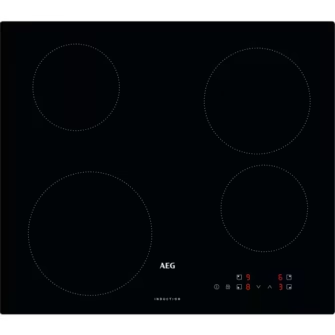
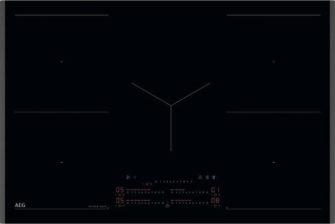
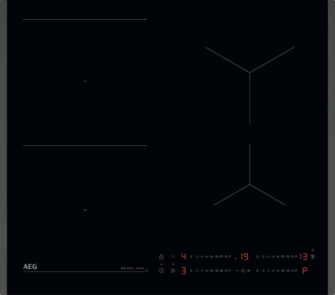
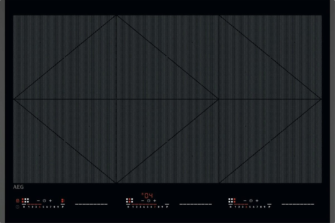
- AEG Induction Hobs – conventional induction cooking with responsive electric heat, touch controls and selected Bridge, FlexiBridge, SenseBoil and SaphirMatt features.
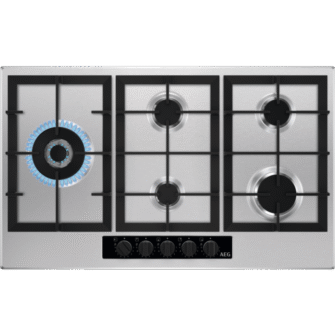
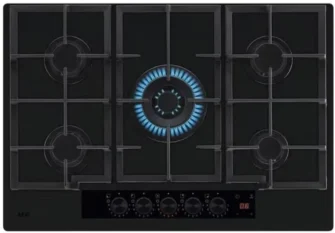
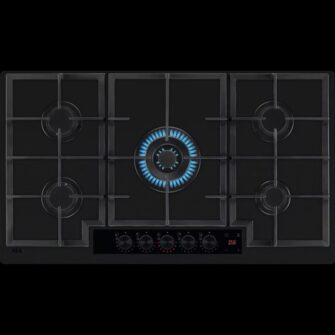
- AEG Gas Hobs – four- and five-burner layouts, stainless-steel and gas-on-glass finishes, with selected StepPower and FlameLight controls.
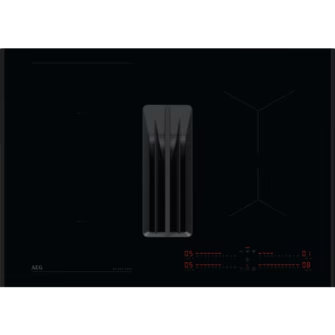
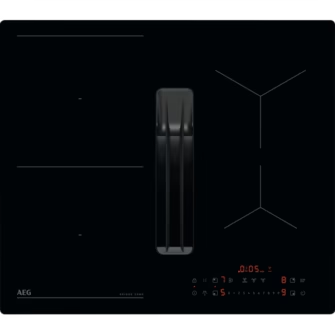
- AEG Vented Hobs – induction hobs with built-in extraction, including models for ducted or recirculating installation where supported.
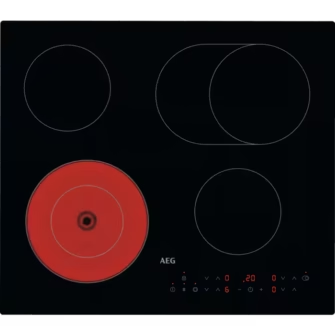
AEG also offers selected ceramic hobs with radiant electric heating and mixed-fuel hobs combining gas burners with induction zones. These can be compared within the full AEG hob range below.
Compare AEG Hob Types
The main difference between AEG hobs is how they generate heat and whether extraction is built into the appliance. Compare the cooking methods below before exploring the detailed specifications in each category.
| AEG Hob Type | How It Works | What to Consider |
|---|---|---|
| Induction | Uses electromagnetic energy to heat compatible cookware directly, with responsive temperature adjustments. | Magnetic cookware, cooking-zone layout, flexible zones and electrical requirements. |
| Gas | Uses gas burners to provide visible flame control for boiling, frying and simmering. | Burner count, pan supports, flame controls, gas supply and surface finish. |
| Vented Induction | Combines an induction cooking surface with an extractor that captures vapours close to the pans. | Ducted or recirculating installation, cabinet space, filters, airflow and extractor noise. |
| Ceramic | Uses radiant electrical heating elements beneath a smooth glass cooking surface. | Cooking-zone sizes, residual heat, cookware bases and electrical connection. |
| Mixed Gas & Induction | Combines gas burners and induction cooking zones within one appliance. | Both gas and electrical connections, cookware compatibility and worktop space. |
Induction is worth considering for fast, responsive electric cooking, while gas provides visible flame control. Vented induction combines cooking and extraction in one appliance, making it useful where a conventional overhead cooker hood is unsuitable. Ceramic and mixed-fuel designs provide alternatives for different cookware and cooking preferences.
AEG Hob Technology at a Glance
AEG offers different cooking and control technologies across its hob ranges. The features below are model-specific and should not be assumed to be available on every appliance.
| Technology | What It Does | Available On |
|---|---|---|
| Bridge and FlexiBridge | Combine compatible induction zones to accommodate larger or longer cookware. | Selected induction hobs |
| SenseBoil and SenseFry | Use sensors to help manage boiling and maintain selected frying temperatures. | Selected induction hobs |
| StepPower | Provides nine defined gas flame settings for more repeatable heat adjustments. | Selected gas hobs |
| FlameLight | Uses LED indicators to show gas burner status and selected flame levels. | Selected gas-on-glass hobs |
| SaphirMatt | Provides a matt black glass surface designed for improved scratch resistance and fewer visible fingerprints. | Selected induction and vented induction hobs |
| Hob2Hood | Allows compatible hobs to control a compatible separate cooker hood automatically. | Selected gas and induction hobs |
| Integrated Extraction | Draws cooking vapours through an extractor built into the hob. | AEG vented induction hobs |
For detailed comparisons of flexible cooking zones, flame controls, assisted cooking and extraction systems, visit the dedicated AEG induction, gas and vented hob categories.
AEG SaphirMatt vs Standard Induction Hobs
AEG induction hobs are available with conventional glossy black glass or the SaphirMatt matt black surface. Both use the same underlying induction technology, but SaphirMatt offers improved resistance to visible scratches and fingerprints.
AEG's SaphirMatt surface is designed to provide up to 10 times greater scratch resistance than standard ceramic glass under specified test conditions. However, the finish itself doesn't improve induction heating performance or automatically provide additional cooking features.
For example, the AEG TO64IB00FB and TO64IB00FZ both offer four cooking zones, Bridge functionality, PowerBoost and Hob2Hood compatibility. The main distinction is the surface finish, making them useful models for assessing whether SaphirMatt's additional durability justifies the price difference.
Read our AEG SaphirMatt vs Standard Induction Hobs comparison to explore the differences in scratch resistance, cleaning, appearance and everyday use before deciding which hob is right for you.
Choosing the Right AEG Hob Width
AEG hobs are available in several nominal widths, including 60cm, 70cm, 75cm, 80cm and 90cm-class designs. The right choice depends on the available worktop space, number of pans used together and required installation opening.
Four-zone and four-burner designs suit many everyday cooking arrangements. Wider hobs can provide additional cooking positions, more spacing between pans or flexible zones for larger cookware.
Nominal hob width is not the same as external appliance width or the required worktop cut-out. A model described as 75cm wide may have a different cut-out requirement from another 75cm hob, so always check the exact manufacturer's measurements.
AEG Hob Installation Requirements
Before purchasing an AEG hob, check the manufacturer's installation drawing against your kitchen worktop, cabinets and existing gas or electrical services.
- External dimensions: Check the complete appliance width and depth.
- Worktop cut-out: Confirm the required opening, surrounding clearances and mounting method.
- Electrical supply: Verify the connected load and wiring requirements for induction and ceramic models.
- Gas connection: Check the approved gas type and installation requirements for gas and mixed-fuel hobs.
- Cabinet space: Allow for any required ventilation and components beneath the worktop.
- Extraction: For vented hobs, check ducting or recirculation compatibility and any required filters or installation accessories.
Gas connections must be handled by an appropriately qualified Gas Safe registered engineer. Electrical installation should be assessed and carried out by a suitably qualified electrician in accordance with the manufacturer's instructions.
AEG Hobs FAQs
What types of AEG hob are available?
AEG offers induction, gas, vented induction, ceramic and mixed gas-and-induction hobs. The available range includes different cooking-zone layouts, widths, finishes and control technologies.
What is the difference between AEG induction and ceramic hobs?
Induction uses electromagnetic energy to heat compatible magnetic cookware directly. Ceramic hobs use radiant heating elements beneath the glass surface, so they do not require magnetic cookware. Both need suitable electrical connections.
What is an AEG vented hob?
An AEG vented hob combines induction cooking with a built-in extractor. Cooking vapours are captured close to the hob and handled through a compatible ducted or recirculating installation, depending on the model.
Do AEG hobs have flexible cooking zones?
Selected AEG induction hobs offer Bridge, FlexiBridge, MultiBridge or TotalFlex technology. These functions provide different ways to accommodate larger pans or combine cooking areas.
What is AEG Hob2Hood?
Hob2Hood allows a compatible hob to communicate with a compatible cooker hood and adjust extraction automatically during cooking. It does not necessarily mean the hob has Wi-Fi or smartphone connectivity.
Can I replace an existing hob with a different AEG cooking technology?
Possibly, but the new appliance must fit the worktop and have suitable gas or electrical connections. Check the external dimensions, installation cut-out, ventilation and power requirements before changing from gas to induction or another hob type.
Do AEG induction hobs require special pans?
Yes. Induction cooking requires cookware with a suitable magnetic base. Cast iron and many stainless-steel pans are compatible, provided they meet the hob's size and positioning requirements.
Is AEG SaphirMatt worth choosing over standard induction glass?
SaphirMatt may be worth the upgrade if you prefer a matt black finish and want greater resistance to visible scratches and fingerprints. It doesn't automatically offer better cooking performance, so compare the individual models' cooking zones, features and prices. Our SaphirMatt vs standard induction comparison explains the differences in more detail.
Explore More AEG Cooking Appliances
- AEG Appliances – browse the complete AEG range.
- AEG Induction Hobs – compare conventional induction cooking.
- AEG Gas Hobs – explore gas burner layouts and flame controls.
- AEG Vented Hobs – compare induction cooking with built-in extraction.
- AEG Cooker Hoods – browse separate extraction appliances, including compatible Hob2Hood models.
- All Hobs – compare cooking technologies across different manufacturers.