

Hobs – Induction, Gas, Ceramic & Vented Hobs
Explore our range of kitchen hobs, including induction, gas, ceramic, mixed-fuel and vented models. Choose from compact domino hobs, standard 60cm cooking surfaces and wider 70cm, 80cm, 90cm and larger designs to suit different kitchen layouts.
Compare cooking technologies, burner or zone arrangements, installation dimensions, power requirements and extraction options to find the right hob for your kitchen.
Shop Hobs by Type
- Induction Hobs – Fast, responsive electric cooking with easy-clean glass surfaces and flexible cooking zones on selected models.
- Gas Hobs – Traditional flame cooking with a choice of burner layouts, wok burners and stainless-steel or gas-on-glass finishes.
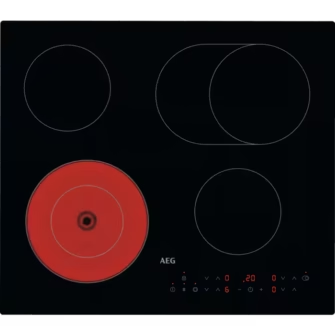
- Ceramic Hobs – Smooth electric cooking surfaces using radiant heating, without requiring induction-compatible cookware.
- Vented Induction Hobs – Combine induction cooking with integrated extraction, reducing the need for a separate overhead cooker hood.
- 5 Burner Gas Hobs – Wider gas cooking surfaces with an additional burner and more space for multiple pans.
- Vented Gas Hobs – Open-flame cooking combined with built-in extraction for suitable kitchen installations.
Gas vs Induction Hobs: Which Should You Choose?
Gas and induction are two popular cooking technologies, but they offer different advantages. Gas provides visible flame control and works with a wide range of cookware. Induction heats compatible pans directly, offering rapid heating, responsive electronic controls and an easy-clean cooking surface.
The best choice depends on your cooking preferences, cookware, available gas or electrical connections and installation requirements.
Read our Gas vs Induction Hobs comparison for a detailed look at cooking performance, running costs, cleaning, safety and switching between the two technologies.
How to Choose the Right Hob
When choosing a hob, start with the cooking technology and the space available in your kitchen. Induction, gas, ceramic and vented hobs have different cookware, energy supply and installation requirements.
| Hob Type | Main Advantages | What to Check |
|---|---|---|
| Induction | Fast heating, responsive controls and easy cleaning | Compatible cookware, electrical load and cooking-zone layout |
| Gas | Visible flame control and flexible cookware compatibility | Gas supply, burner spacing, pan supports and installation |
| Ceramic | Smooth electric surface with conventional cookware compatibility | Electrical requirements, heating zones and residual heat |
| Vented Induction | Cooking and extraction in one appliance | Cabinet space, ducting, recirculation components and electrical supply |
| Mixed Fuel | Gas burners and induction zones together | Both gas and electrical connections, hob dimensions and layout |
What Size Hob Do You Need?
Hobs are available in several widths, including compact 30cm domino models, standard 60cm hobs and wider 70cm, 75cm, 80cm and 90cm designs.
A 60cm hob is a common choice for everyday cooking, often providing four gas burners or three to four electric cooking zones. Wider models can offer additional cooking positions, larger flexible zones or more space between pans.
Nominal hob width is not the same as the required worktop cut-out. Always compare the manufacturer's installation drawing before replacing an existing hob.
How Many Cooking Zones or Burners Do You Need?
Four cooking zones or burners suit many households. Five-burner gas hobs provide an additional cooking position and often include a dedicated wok burner, while wider induction hobs can offer five or six cooking positions.
Selected induction models include bridge or flexible cooking zones, allowing compatible neighbouring areas to operate together for larger cookware such as griddles and roasting pans.
If additional gas cooking space is important, explore our 5 Burner Gas Hobs.
Vented Hobs and Built-In Extraction
Vented hobs combine a cooking surface with an integrated extractor. They are particularly useful for kitchen islands and layouts where an overhead cooker hood is undesirable.
Most models use induction technology, although selected gas hobs also offer integrated extraction.
Before choosing a vented hob, check the space required below the worktop, ventilation route, ducting or recirculation arrangement, filter requirements and extractor noise levels.
Explore our Vented Induction Hobs and Vented Gas Hobs for more specialised options.
Mixed-Fuel and Modular Hobs
Mixed-fuel hobs combine gas and induction cooking within a single appliance. These can suit households that want the flexibility of open-flame cooking alongside the convenience of induction.
Domino and modular hobs provide another alternative, allowing compact gas, induction or specialist cooking elements to be combined in a customised layout.
Check whether modular elements require a compatible primary control unit, as well as the combined installation dimensions and power connections.
Hob Installation and Compatibility
Before purchasing a new hob, confirm the worktop cut-out, overall appliance dimensions, worktop thickness and available clearance beneath the cooking surface.
Induction and ceramic hobs require a suitable electrical supply, with the connected load varying between models. Gas and mixed-fuel hobs must have a compatible gas supply and be installed by a suitably qualified Gas Safe registered engineer.
For induction cooking, check that your existing pans have suitable magnetic bases. Some models support power-management functions, but these do not remove the need to verify the installation requirements.
Flush-mounted models may also require specialist worktop preparation. Always follow the manufacturer's installation instructions.
Frequently Asked Questions
Which type of hob is best?
Induction is generally a strong choice for fast heating, responsive control and easy cleaning. Gas suits cooks who prefer visible flame control, while ceramic offers a smooth electric cooking surface without requiring magnetic cookware. The best option depends on your cooking habits and installation requirements.
Is gas or induction better for cooking?
Both have advantages. Induction usually heats compatible pans faster and transfers energy more efficiently, while gas provides visible flame control and accommodates a broader range of cookware. Read our Gas vs Induction Hobs guide for a detailed comparison.
What is the difference between ceramic and induction hobs?
Ceramic hobs use radiant heating beneath the glass surface, while induction creates heat directly in compatible cookware using electromagnetic technology. Induction generally responds faster and requires pans with magnetic bases.
What size hob should I buy?
A 60cm hob is a common starting point for standard kitchens, while wider models provide more cooking space. Always check the actual appliance dimensions and worktop cut-out rather than relying on nominal width.
Can I replace a gas hob with an induction hob?
Often, yes, provided the electrical supply, worktop opening and cookware are suitable. The existing gas connection must be safely disconnected by a suitably qualified Gas Safe registered engineer.
What is a vented hob?
A vented hob combines cooking and extraction in one appliance. Depending on the model, extracted air may be ducted outside or filtered and recirculated into the kitchen.
Are mixed gas and induction hobs available?
Yes. Mixed-fuel models combine both cooking methods on one surface, but require suitable gas and electrical connections.
Explore More Cooking Appliances


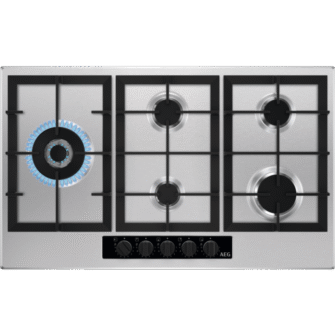


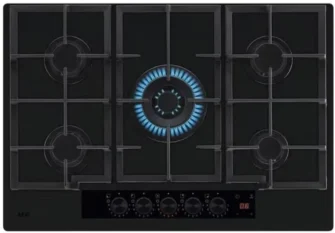

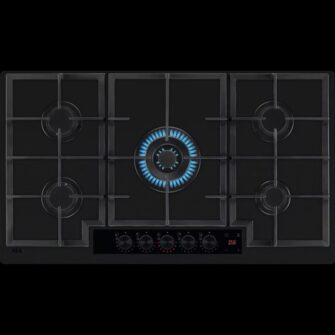













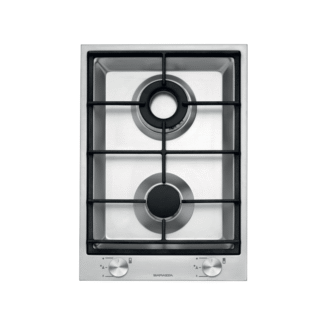




Gas Burner Hobs provide unmatched flexibility with instant control and efficient cooking. Available with four, five, or six burners, they accommodate various cooking needs. For high-power wok cooking, choose a model with a dedicated wok burner. Base materials include stainless steel and glass, allowing you to select the perfect match for your kitchen’s aesthetic.

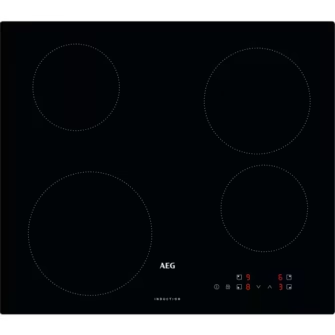
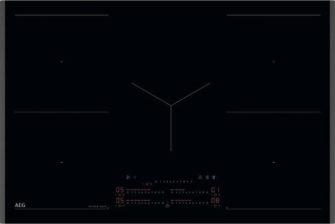
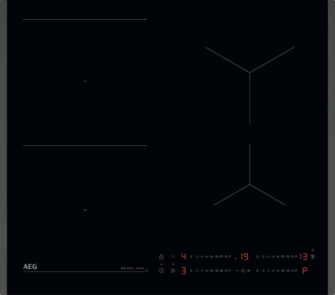
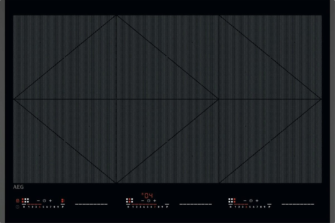
Electric Induction Hobs offer safe, efficient, and easy-to-clean cooking with cutting-edge technology. They heat only the pan, keeping surface temperatures low for safety. Available in various configurations, including flex and bridge zones, and free induction options for ultimate cooking flexibility.

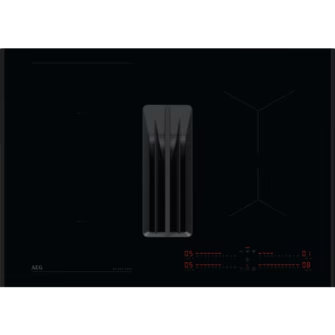
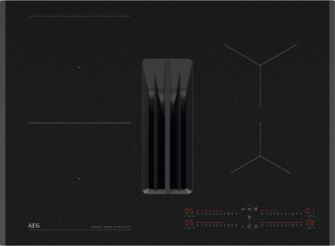
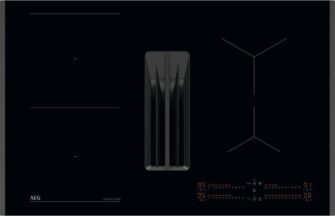
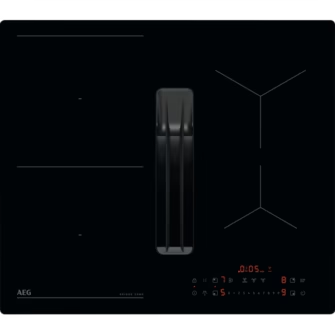
A Hob with Extractor Built In combines a hob and extraction system into one efficient unit. Featuring advanced induction cooking and built-in vapour extraction, they quickly remove cooking odours and moisture. This practical solution eliminates the need for a separate kitchen extractor.