

Induction Hobs – 30cm to 120cm Electric Hobs
Explore our range of induction hobs, from compact 30cm domino models to standard 60cm, wider 80cm and 90cm-plus cooking surfaces. Induction technology heats compatible cookware directly, offering fast heating, responsive power control and an easy-clean glass surface.
Compare induction hobs by width, number of cooking zones, flexible cooking areas, touch controls and electrical requirements. Selected models include PowerBoost, automatic cooking sensors and compatibility with extractor hoods.
Shop Induction Hobs by Size and Type
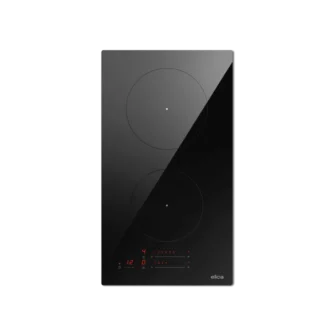
- 30cm Induction Hobs – Compact domino and modular models for smaller kitchens or customised cooking layouts.
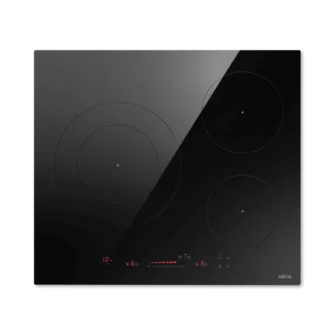
- 60cm Induction Hobs – A common standard width, typically offering three or four cooking zones.
- 70cm and 80cm Induction Hobs – Wider cooking surfaces with additional pan space and flexible-zone options.
- 90cm and Wider Induction Hobs – Larger layouts for cooking with several pans or accommodating more flexible cooking areas.
- Vented Induction Hobs – Induction cooking combined with integrated extraction.
Switching from gas to induction? Induction offers rapid heating, easier cleaning and precise electronic controls, but you'll need compatible cookware and a suitable electrical supply. Read our Gas vs Induction Hobs comparison to explore cooking performance, running costs, installation and the advantages of each technology.
How to Choose the Right Induction Hob
Choosing an induction hob involves more than selecting the number of cooking zones. Consider the available worktop space, cookware sizes, electrical supply, control layout and the features you use most frequently.
60cm vs 80cm vs 90cm Induction Hobs
A 60cm induction hob is a common choice for everyday cooking and generally provides three or four cooking zones. Wider 80cm and 90cm models can offer additional pan spacing, larger flexible cooking areas or more cooking positions.
Some premium induction hobs use full-surface cooking technology that allows compatible pans to be positioned more freely instead of using a conventional fixed-zone layout.
Always compare the external dimensions and required worktop cut-out before replacing an existing hob.
Bridge Zones and Flexible Induction Cooking
Flexible cooking zones can accommodate larger cookware, including griddles, roasting pans and longer cooking vessels.
Different manufacturers use names such as AEG Bridge and FlexiBridge, Miele PowerFlex and Fisher & Paykel SmartZone. These systems allow compatible cooking areas to work together, although the number of linked zones and available functions vary by model.
When comparing induction hobs, check the usable heating area rather than assuming that similarly named flexible-zone systems offer identical functionality.
PowerBoost and Automatic Cooking Functions
Many induction hobs include a PowerBoost or equivalent function that temporarily increases the output of a cooking zone for faster heating.
Selected appliances also offer automatic cooking assistance. For example, AEG SenseBoil detects when water reaches boiling point and reduces the heat to help prevent boiling over. SenseFry monitors frying temperatures for more consistent results.
Other functions may include pan recognition, pause settings, automatic shut-off, cooking timers and residual-heat indicators.
Induction Hob Controls and Smart Features
Most induction hobs use touch or slider controls, allowing cooking-zone power to be adjusted without traditional rotary knobs. Selected models also offer guided cooking, temperature sensors or connected features.
Hob-to-hood communication allows compatible extractor hoods to respond to cooking activity. Examples include AEG Hob2Hood and Miele Con@ctivity.
These functions should not be confused with Wi-Fi or app connectivity, which are separate features available on selected appliances.
Do You Need Special Pans for an Induction Hob?
Induction hobs require cookware with a suitable magnetic base. Cast iron, enamelled steel and many stainless-steel pans are compatible, while ordinary aluminium, copper and glass cookware may not work unless they have an induction-compatible base.
A magnet that holds firmly against the base of a pan is a useful initial compatibility check. Also confirm that the pan base meets the minimum size requirements of the chosen induction zone.
Induction Hob Installation and Electrical Requirements
Before purchasing an induction hob, check its total electrical load and the available kitchen circuit. Many full-size models require a dedicated hardwired connection, while selected lower-power appliances have different installation requirements.
Some induction hobs include power-management settings that limit total electrical consumption. However, restricting the maximum load may reduce the power available when multiple zones are operating.
Flush-mounted induction hobs also require suitable worktop materials and precise installation dimensions. Always use the manufacturer's installation drawing and arrange electrical installation through an appropriately qualified electrician.
Is It Worth Switching from Gas to Induction?
Switching from gas to induction can be worthwhile if you prefer faster heating, a smooth easy-clean surface and electronic cooking controls. Induction also transfers more cooking energy directly into compatible pans.
However, induction is not necessarily cheaper to run than gas. Operating costs depend on energy prices, cooking habits and appliance efficiency.
Before switching, check your cookware, available electrical supply, worktop cut-out and the cost of safely disconnecting the existing gas connection.
For a detailed comparison of cooking performance, running costs, cleaning and installation, read our Gas vs Induction Hobs: Which Is Better? guide.
Induction Hob FAQs
Are induction hobs better than gas hobs?
Induction hobs generally offer faster heating, greater energy efficiency and easier cleaning. Gas hobs remain useful for traditional open-flame cooking and work with a wider range of cookware.
Do induction hobs use a lot of electricity?
Induction hobs can draw significant power at high settings, but they transfer energy efficiently into compatible cookware. Actual electricity consumption depends on the cooking programme, power level and duration.
Can I replace a gas hob with an induction hob?
Often, yes. You must confirm that the electrical circuit can support the new hob, check the worktop opening and arrange safe disconnection of the existing gas supply by an appropriately qualified Gas Safe registered engineer.
What size induction hob should I buy?
A 60cm hob suits many standard kitchens, while wider 80cm and 90cm models can provide additional pan spacing and flexible cooking areas. Check the manufacturer's exact installation dimensions.
What is a bridge zone on an induction hob?
A bridge function links neighbouring induction zones so that suitable larger cookware can be heated across a combined cooking area.
Are induction hobs easy to clean?
Induction hobs generally have a smooth glass surface that is easy to wipe after cooking. The glass can still become hot from the cookware, so allow it to cool and follow the manufacturer's cleaning instructions.
Can you get induction hobs with built-in extraction?
Yes. Vented induction hobs combine induction cooking and an integrated extraction system. They may use ducted extraction or recirculation, depending on the model and installation configuration.
Explore More Hobs








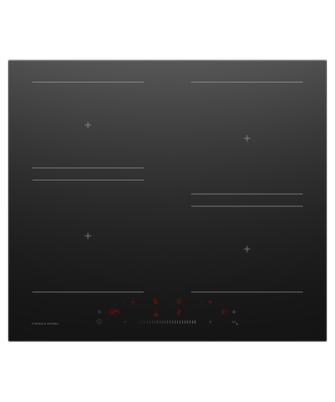


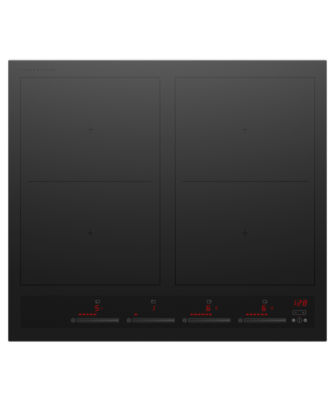

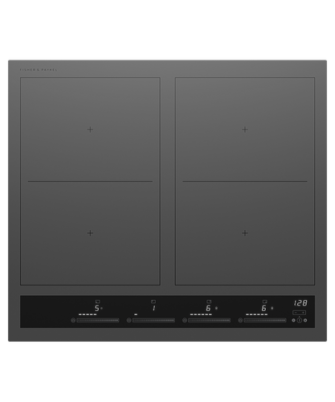


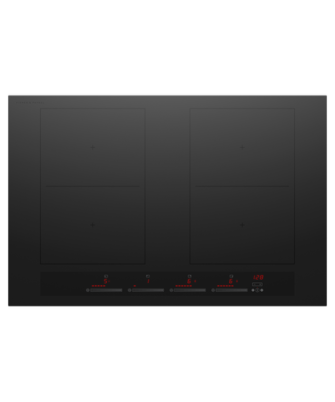




Gas Burner Hobs provide unmatched flexibility with instant control and efficient cooking. Available with four, five, or six burners, they accommodate various cooking needs. For high-power wok cooking, choose a model with a dedicated wok burner. Base materials include stainless steel and glass, allowing you to select the perfect match for your kitchen’s aesthetic.

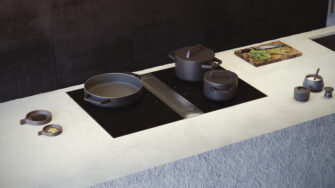
A Hob with Extractor Built In combines a hob and extraction system into one efficient unit. Featuring advanced induction cooking and built-in vapour extraction, they quickly remove cooking odours and moisture. This practical solution eliminates the need for a separate kitchen extractor.

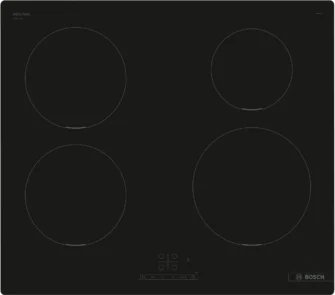
Electric Ceramic Hobs offer a sleek, modern cooking surface with easy cleaning and precise heat control. Their smooth glass surface ensures efficient heat transfer and a stylish look, making them a practical and attractive choice for any kitchen. Enjoy effortless cooking and maintenance with ceramic hobs.