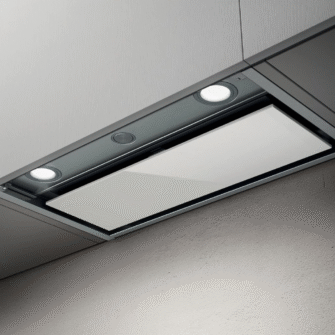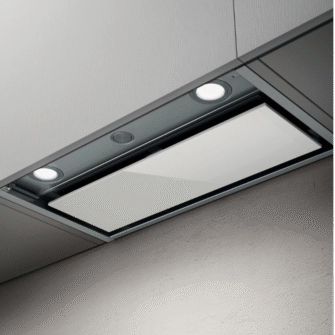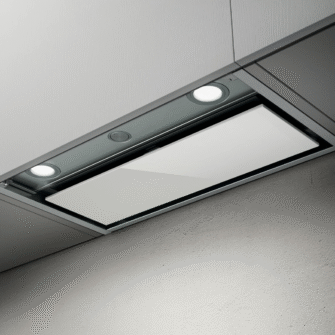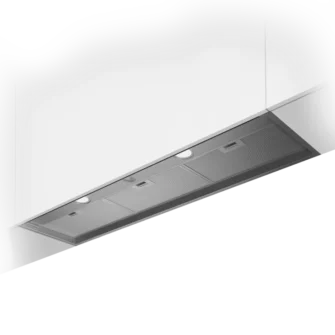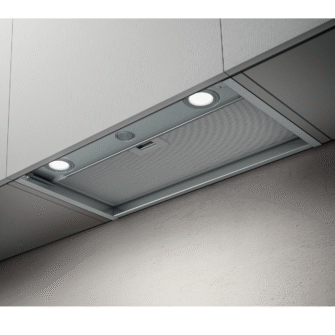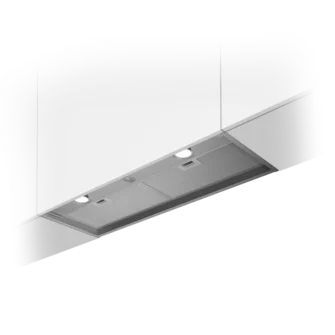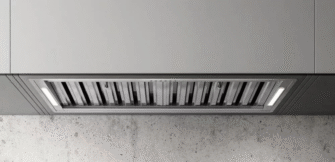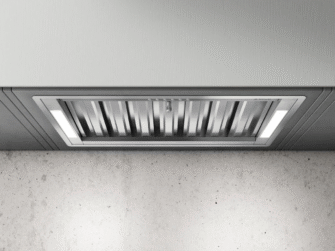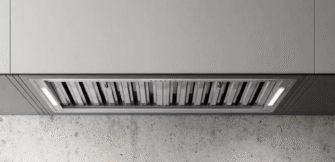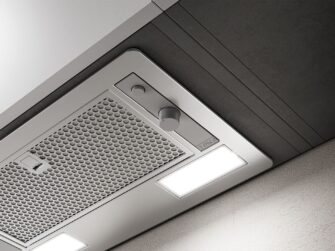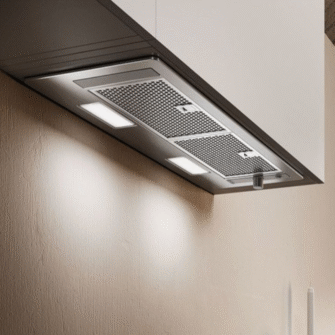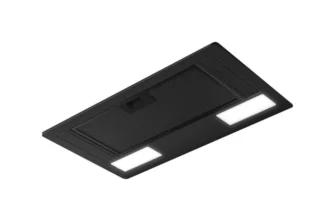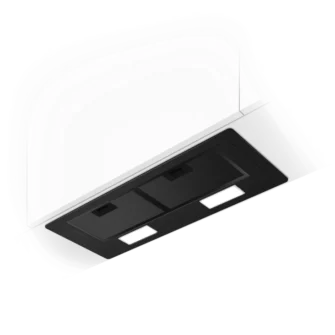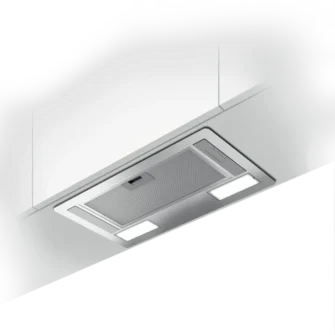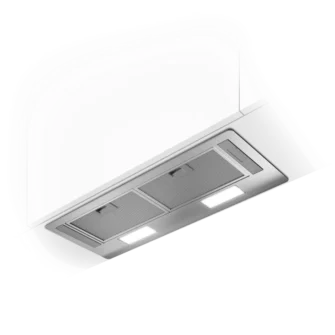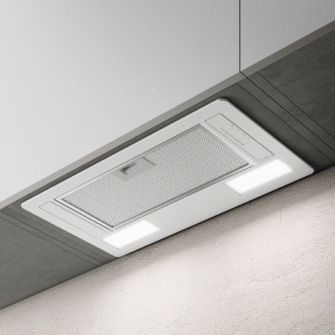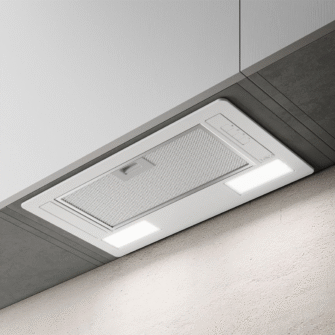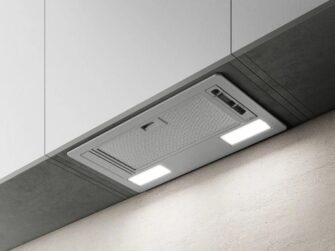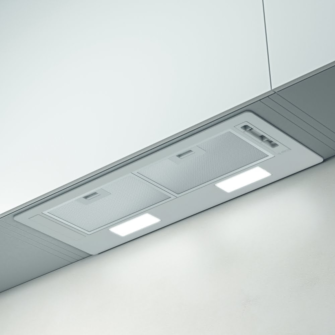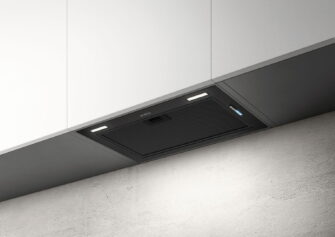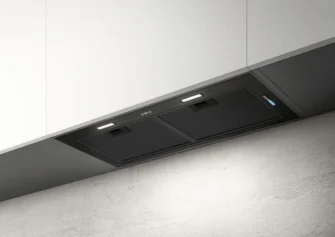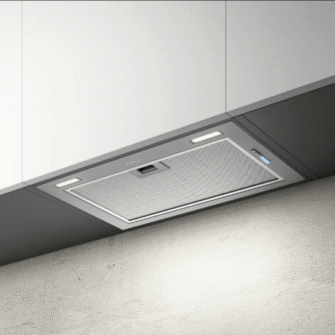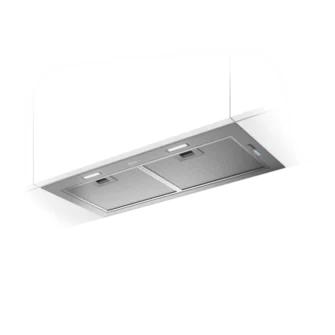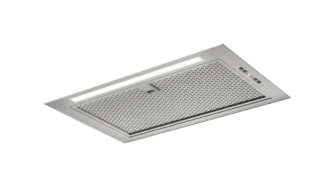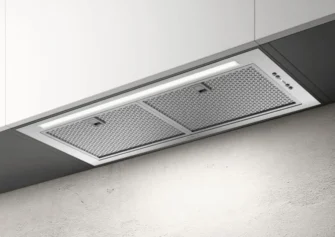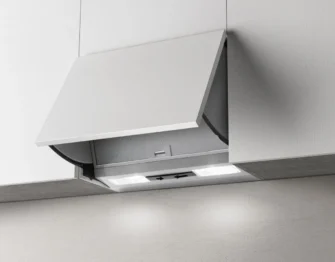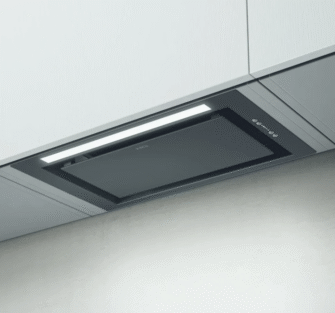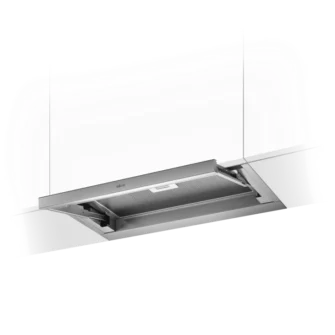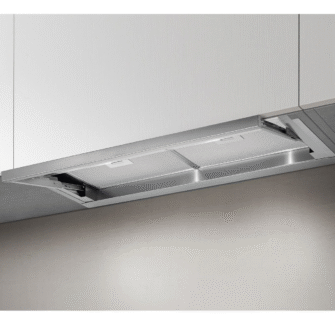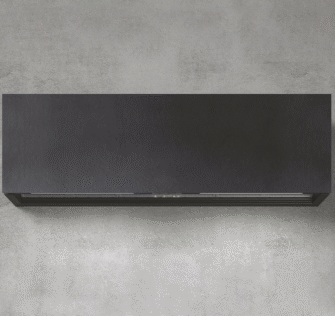

Elica Integrated Cooker Hoods
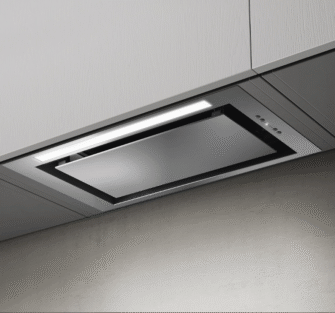
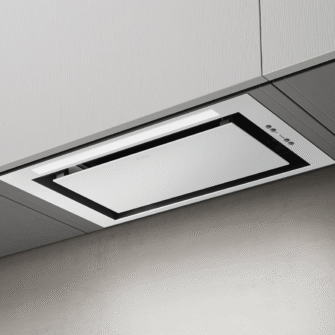
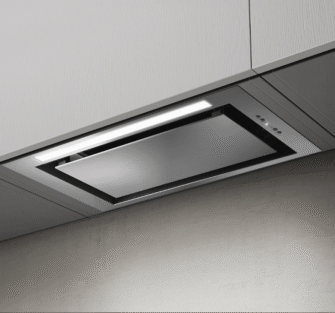
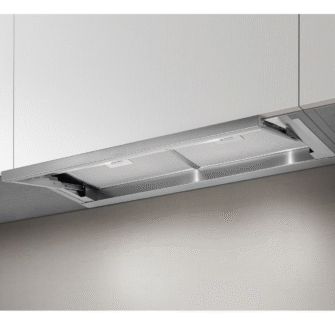
Shop Elica integrated cooker hoods designed to fit discreetly inside kitchen wall cabinets. Choose from built-in canopy extractors, flush-fitting designs and telescopic cooker hoods that provide cooking ventilation without a prominent wall-mounted chimney.
Compare Elica built-in cooker hoods by cabinet size, extraction performance, operating noise, controls and ducted or recirculating installation options. The range includes compact 60cm designs, wider 80cm and 90cm models and selected 120cm extractors for larger cooking areas.
Choosing an Elica Integrated Cooker Hood
An integrated cooker hood is designed to fit within a kitchen wall unit above the hob, keeping most of the extractor concealed behind or beneath the cabinetry. It is a useful choice for fitted kitchens where a separate chimney-style hood would interrupt the run of wall cabinets.
Elica offers several integrated designs, from simple fixed canopies to flush-mounted extractors and telescopic models with a movable front panel. The most suitable option depends on the cabinet construction, available space, cooking surface and preferred extraction controls.
Elica Integrated Cooker Hood Types Compared
| Hood Type | How It Works | Suitable For | What to Check |
|---|---|---|---|
| Built-In Canopy Hood | Fits into or beneath a wall cabinet, leaving a relatively discreet extraction grille or panel visible | Conventional fitted kitchens and replacement installations | Cabinet opening, appliance depth, extraction capacity and mounting clearance |
| Flush Integrated Hood | Creates a more concealed appearance beneath the cabinet, often with a perimeter or recessed extraction inlet | Handleless and minimalist kitchen cabinetry | Internal cabinet dimensions, panel position, installation method and maintenance access |
| Telescopic Cooker Hood | Uses a movable front panel that extends or opens during cooking on selected models | Kitchens requiring a concealed extractor with a practical front panel | Clearance for the moving panel, cabinet doors and operation of the controls |
These categories describe the main installation styles. Elica model families can also differ in extraction performance, lighting, cabinet protection and available controls.
Built-In Canopy Cooker Hoods
Elica's fixed canopy models are designed for installation within suitable kitchen wall units, keeping the extractor largely hidden from view.
The Era range provides straightforward integrated extraction with different finishes, widths and performance levels. Other options, including Boxin HE, Boxin LUX and CT35 Pro, provide alternative canopy designs and specifications for different kitchen requirements.
Selected Boxin designs incorporate protective panels around the extraction area to help shield adjacent cabinet surfaces from cooking vapours. This can be particularly useful where the extractor is fitted closely within kitchen furniture.
Compare the actual appliance dimensions and cabinet opening requirements rather than relying only on the advertised 60cm, 90cm or 120cm size.
Flush and Concealed Elica Extractor Hoods
For kitchens where a less visible extractor is preferred, Elica offers designs that sit flush with or close to the underside of a suitable wall unit.
The Elica Lane and Sleek 2.0 families illustrate this approach. Lane features perimeter extraction, drawing cooking vapours through openings around a concealed panel. Selected Fold models also offer a discreet integrated appearance with installation systems designed to simplify mounting.
These extractors can suit kitchens with uninterrupted cabinetry and a minimalist finish. However, the cabinet must still provide adequate space for the hood body, motor housing, duct connections and required ventilation.
Check the manufacturer's installation drawing carefully, as the visible extractor width and required cabinet dimensions may differ.
Telescopic Elica Cooker Hoods
Telescopic cooker hoods use a movable front section that extends or opens when extraction is needed. When not in use, the panel helps maintain a more concealed appearance within the wall cabinets.
Elica Lever and Sklock models provide alternatives to fixed canopy extraction. Selected Lever versions feature a front panel that opens to activate the hood and closes to switch it off, retaining the previous power setting.
Telescopic hoods are worth considering when replacing an existing pull-out extractor or where a movable front panel suits the cabinetry. Always check the depth, opening clearance and compatibility with adjacent cupboard doors.
What Size Integrated Cooker Hood Do You Need?
Integrated cooker hoods are commonly sold by nominal cabinet widths, including 60cm, 80cm, 90cm and 120cm sizes within the Elica range.
However, the advertised size does not always represent the appliance's exact external dimensions. For example, certain Elica Lane models intended for 80cm cabinetry have an actual extractor width of approximately 71.4cm.
Before ordering, check:
- The width and internal depth of the wall cabinet.
- The required installation cut-out and mounting points.
- The depth and height of the extractor housing.
- Space for ducting, electrical connections and filters.
- The width and position of the hob beneath the extractor.
- The manufacturer's minimum installation distance above the cooking surface.
A larger nominal width does not automatically guarantee better extraction. Hood design, airflow, mounting position and the dimensions of the cooking area also influence performance.
Integrated Cooker Hood Installation and Cabinet Space
Because the extractor is installed inside a cupboard, available cabinet space is one of the most important considerations.
The hood housing can occupy much of the internal wall-unit volume. Ducted models also require a suitable route for carrying extracted air outside, while recirculating installations need compatible odour filters and a way for cleaned air to return to the kitchen.
Cabinet shelves, hinges, door mechanisms and adjoining furniture must not obstruct the appliance or restrict access for cleaning.
Minimum installation distances above induction and gas hobs vary between Elica models. Always follow the manufacturer's instructions for both the cooker hood and cooking appliance, using the more restrictive requirement where applicable.
Ducted or Recirculating Integrated Extraction?
Many Elica integrated cooker hoods can be installed for external extraction or configured for recirculation using compatible components. The options and included accessories vary by model.
Ducted Integrated Cooker Hoods
Ducted extraction carries cooking air outside through suitable ducting. This removes extracted moisture and cooking odours from the kitchen, provided the system is correctly installed.
For integrated hoods, the ducting may need to pass through or above the wall cabinets before reaching an external outlet. Check the required duct diameter and avoid unnecessarily restrictive bends or reductions.
Recirculating Integrated Cooker Hoods
Recirculating extraction passes air through grease and compatible odour filters before returning it to the room. This can be useful where an external ducting route is unavailable.
Before selecting recirculation, confirm the correct filter reference, whether a conversion kit is required and where the filtered air will return. The cabinet installation must not obstruct the air-return path.
Recirculation does not remove cooking moisture outside, so suitable room ventilation remains important.
For a more detailed comparison, read our Elica Ducted vs Recirculating Cooker Hoods guide.
Extraction Performance, Noise and Controls
Airflow and Noise
Elica publishes cooker hood airflow figures in m³/h and operating noise in dB(A). Compare models at equivalent fan settings and check whether performance figures apply to the intended ducted or recirculating configuration.
A high maximum extraction figure is useful when comparing appliances, but normal-speed noise and the installed ducting arrangement are also important. In open-plan kitchens, a quieter everyday setting can matter more than an impressive maximum boost figure.
Lighting and Cooking Controls
Elica integrated cooker hoods offer different operating controls, including mechanical switches, push buttons and electronic settings, depending on the model.
Many include LED lighting beneath the cabinet to illuminate the cooking surface. Selected appliances also offer intensive extraction, delayed switch-off and filter-maintenance indicators.
Compare the actual features on the individual product rather than assuming they are shared across the whole range.
Cleaning and Maintaining Elica Integrated Cooker Hoods
Integrated cooker hoods require regular grease-filter cleaning and suitable access to removable components.
Recirculating models also need odour-filter maintenance. Depending on the compatible filter system, this may involve replacement or regeneration according to Elica's instructions.
When choosing an integrated hood, consider how easily the filters can be removed once the appliance is installed inside the cabinet. Removable shelves or suitable access openings may be necessary for maintenance and servicing.
Elica Integrated Cooker Hood FAQs
What is an integrated cooker hood?
An integrated cooker hood is an extractor designed to fit within or beneath a kitchen cabinet above the hob. It keeps most of the appliance concealed while providing cooking ventilation.
What is the difference between a canopy and telescopic cooker hood?
A fixed canopy hood remains in its installed position, while a telescopic design has a movable front section that extends or opens during use. Both can be incorporated into suitable wall cabinetry.
Will an Elica integrated hood fit inside a standard 60cm cabinet?
Selected Elica integrated cooker hoods are designed for suitable 60cm wall units, but the exact cabinet opening, internal depth, mounting clearance and duct connections must be checked against the model's installation drawing.
Can an integrated cooker hood be recirculating?
Yes. Many Elica integrated cooker hoods support recirculation with compatible filters or additional installation components. The filtered air must have a suitable route back into the kitchen.
Can you keep cupboard storage around an integrated extractor?
Some storage may remain, depending on the cabinet dimensions and extractor housing. However, the hood motor, ducting and maintenance access can occupy a substantial part of the wall unit. Check the installation requirements before designing shelves around the appliance.
How far above the hob should an integrated cooker hood be installed?
The minimum clearance depends on the specific Elica hood and the cooking appliance beneath it. Gas and induction hobs can have different requirements. Always follow the applicable installation instructions rather than using a universal distance.
Explore More Elica Cooker Hoods
Browse our complete Elica Cooker Hoods collection, or compare Elica Chimney Hoods if you prefer a visible wall-mounted extractor.
For advice on external ducting, filtration and moisture removal, explore our Ducted vs Recirculating Cooker Hoods comparison.
You can also browse the complete Elica Appliances range.