Elica Ducted vs Recirculating Cooker Hoods: Which Should You Choose?
Should you choose a ducted or recirculating Elica cooker hood? Both systems remove grease and help control cooking odours, but there is one important difference: ducted extraction sends cooking air outside, while recirculation filters the air and returns it to your kitchen.
For most kitchens, ducted extraction is the preferred option when a suitable external outlet is available. It removes extracted moisture and cooking contaminants outside and generally offers stronger airflow with fewer filtration restrictions. However, a recirculating Elica cooker hood can be a practical solution where installing external ducting would be difficult, expensive or impossible.
Many Elica cooker hoods support both configurations, although some are manufactured as separate duct-out and recirculating versions. This guide explains the differences, installation requirements and ongoing costs, using examples from Elica's ceiling, integrated, wall-mounted and island cooker hood ranges.
Elica Ducted vs Recirculating Cooker Hoods Compared
| Feature | Ducted Extraction | Recirculating Extraction |
|---|---|---|
| How it works | Extracted air is discharged outside | Air passes through filters and returns to the kitchen |
| Cooking odours | Removed outside with extracted air | Reduced using compatible odour filters |
| Moisture and steam | Extracted moisture is discharged outside | Moisture remains within the room |
| External ducting | Required | Not required |
| Grease filters | Required | Required |
| Charcoal or odour filters | Not normally required | Required and must be maintained |
| Extraction performance | Generally stronger airflow when correctly installed | Airflow can be reduced by filtration resistance |
| Operating noise | Often lower for comparable configurations | Can be higher, depending on filters and fan settings |
| Installation requirements | External outlet and suitable duct route | Compatible filters and adequate air-return openings |
| Best suited to | Kitchens where external ventilation is practical | Kitchens without a suitable external ducting route |
These are general differences, not guarantees for every model. Extraction performance and noise depend on the cooker hood, fan speed, ducting and filtration configuration.
Which Extraction Method Is Better?
Choose ducted extraction if you have a suitable route to an external wall or roof outlet, particularly if you regularly cook with high heat, produce substantial steam or want moisture removed from the kitchen.
Choose recirculating extraction if external ducting is impractical, you want to avoid major alterations to an existing kitchen or you need more flexibility over where the cooker hood is installed.
Before selecting a hood, check whether the model is supplied for ducted or recirculating operation. Some Elica cooker hoods can be converted with compatible accessories, while others are supplied in versions that are not interchangeable.
Elica Cloud Seven: Ducted vs Recirculating Performance
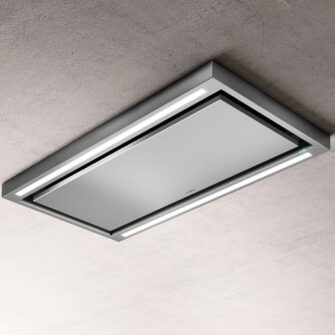
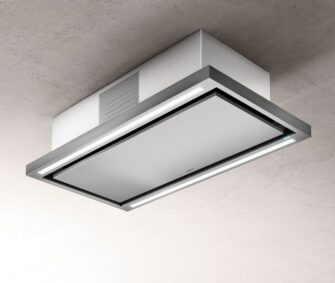
The Elica Cloud Seven is a useful example because it is available as two distinct 90cm ceiling cooker hoods: a duct-out version and a recirculating version. Both provide discreet ceiling extraction, remote control operation and integrated LED lighting, but their published extraction and noise figures differ.
| Specification | Cloud Seven Duct-Out | Cloud Seven Recirculating |
|---|---|---|
| Model | CLOUD-SEVEN-DO | CLOUD-SEVEN-RC |
| Width | 90cm | 90cm |
| Extraction type | External ducting | Internal filtration |
| Published airflow range | 235–770m³/h | 240–570m³/h |
| Published noise range | 43–60dB(A) | 52–68dB(A) |
| Extracts moisture outside | Yes | No |
| Odour-filter maintenance | Not normally required | Required |
These figures are Elica's published operating ranges for the corresponding configurations. They should not be interpreted as noise or airflow measurements taken at identical fan speeds.
Why Choose the Cloud Seven Duct-Out?
The Elica Cloud Seven Duct-Out is designed to discharge cooking air outside through suitable ducting. It offers a published maximum airflow of 770m³/h and a noise range of 43–60dB(A).
It is worth considering where the kitchen has a practical external ventilation route and sufficient ceiling space for installation. The ducting arrangement, mounting distance and maintenance access must be checked before ordering.
Why Choose the Cloud Seven Recirculating?
The Elica Cloud Seven Recirculating provides a similar ceiling-mounted appearance without requiring an external extraction outlet. Its published maximum airflow is 570m³/h, with an operating noise range of 52–68dB(A).
The recirculating version is worth considering where external ducting cannot be accommodated. However, compatible odour filters require regular maintenance, and additional kitchen ventilation may be necessary to manage moisture.
The Cloud Seven illustrates why the extraction configuration matters, even when the appliance design is similar. Always compare the manufacturer's figures for the exact version being purchased.
Other Elica Cooker Hoods Worth Considering
Elica Boxin LUX: Integrated Cooker Hoods
The Elica Boxin LUX range is designed for installation within kitchen cabinetry, making it suitable for customers who want a concealed cooker hood.
Selected Boxin LUX models support ducted installation or recirculating operation using compatible charcoal filters. However, recirculation accessories may need to be purchased separately, depending on the version supplied.
These hoods are particularly relevant where the kitchen already has wall cabinets and a discreet built-in extractor is preferred.
Explore our Elica Integrated Cooker Hoods to compare sizes and specifications.
Elica Adele: Wall-Mounted Cooker Hoods
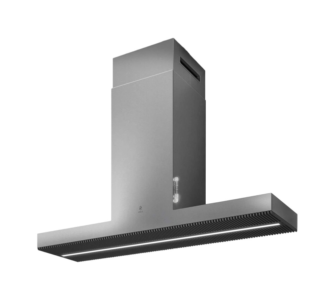
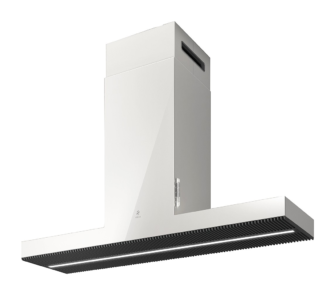
Elica Adele wall-mounted cooker hoods are available in different widths and finishes, making them useful examples of extraction for cooking areas positioned against a wall.
Where an external outlet is available, ducting may be routed through a suitable wall or concealed route. If outside extraction is impractical, compatible Adele configurations may support recirculation using the appropriate filters.
Check the supplied extraction configuration and filter compatibility for the exact model rather than assuming all finishes and product references have identical requirements.
Browse our Elica Chimney Hoods collection for wall-mounted alternatives.
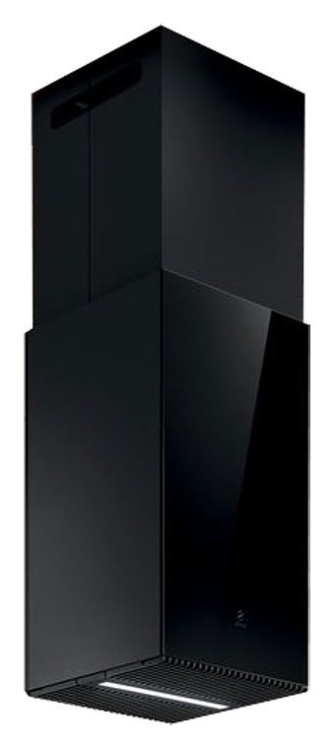
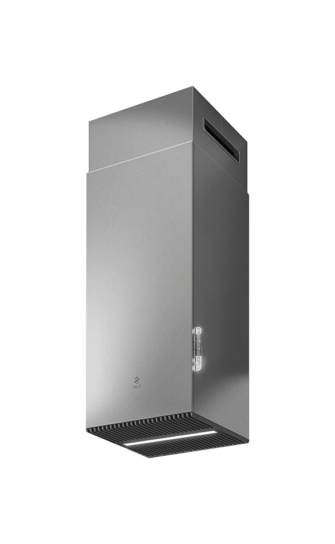
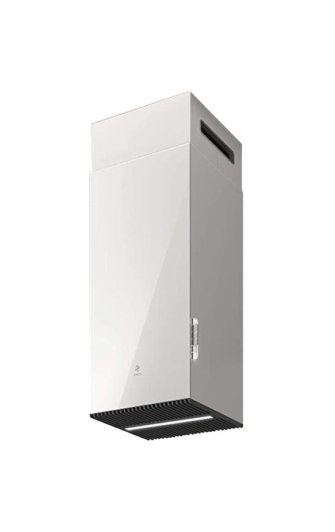
Elica Haiku Island: Island Cooker Hoods
Elica Haiku Island cooker hoods demonstrate how the choice between ducted and recirculating extraction can affect a kitchen island installation.
With ducted extraction, the ventilation route may need to pass through a ceiling void or another suitable route to an external outlet. Recirculation can avoid extensive external ducting, but requires compatible filters and a suitable way to return filtered air to the kitchen.
The Haiku Island range includes different widths and finishes. The installation requirements depend on the chosen model and extraction configuration.
Explore Elica Island Hoods for additional overhead extraction options.
What Should You Consider Before Choosing Ducted Extraction?
Ducted extraction is generally preferable where installation is practical, but the ducting system is as important as the cooker hood itself.
Before choosing a ducted Elica cooker hood, check:
- External outlet: Whether there is a suitable wall or roof position for discharging extracted air.
- Duct diameter: Use the manufacturer's specified duct dimensions rather than reducing the duct size unnecessarily.
- Duct length: Long duct runs can restrict airflow and increase resistance.
- Bends: Excessive or tight bends can reduce performance and increase noise.
- Mounting clearance: Follow the specified minimum distance between the cooker hood and cooking surface.
- Replacement air: Ensure the kitchen has adequate provision for air to enter as extracted air leaves, considering any relevant building ventilation requirements.
- Maintenance access: Allow sufficient access for cleaning and servicing the hood.
A poorly planned duct run can undermine the advantages of ducted extraction. Where the only available route is excessively long or contains numerous restrictive bends, recirculation may be a more practical alternative.
What Should You Consider Before Choosing Recirculation?
Recirculating cooker hoods are useful where external extraction is unavailable, but they still require careful installation and ongoing filter maintenance.
A recirculating Elica hood draws cooking air through grease filters and compatible odour filters before returning it to the kitchen.
Before ordering, confirm:
- Whether the exact cooker hood supports recirculating installation.
- Whether odour filters are included or supplied separately.
- The correct filter type and product reference.
- Whether a conversion or recirculation kit is required.
- Where filtered air will return to the room.
- The recommended filter cleaning, regeneration or replacement intervals.
- How the kitchen will be ventilated to manage moisture.
Recirculation can reduce cooking odours, but it does not replace the need for suitable room ventilation. Moisture produced by boiling, steaming and other cooking activities remains within the property rather than being discharged outside.
Are Ducted Cooker Hoods Quieter Than Recirculating Hoods?
They often can be, but the result depends on the specific cooker hood and installation.
Recirculating systems pass air through additional filtration, which can increase airflow resistance. As the Cloud Seven comparison demonstrates, the recirculating version of a similar appliance may have higher published noise figures and a lower maximum airflow.
However, poor ducting can also increase noise. Long runs, restrictive bends and unsuitable duct sizes can affect a ducted cooker's hood performance.
When comparing noise, use the manufacturer's published dB(A) values at comparable operating settings, rather than comparing one model's minimum noise with another model's maximum or boost setting.
Do Recirculating Elica Cooker Hoods Cost More to Maintain?
Recirculating cooker hoods generally require additional filter maintenance compared with ducted models because they use odour filters as well as grease filters.
Elica offers different types of activated-carbon and regenerable filters. Some must be replaced at specified intervals, while compatible regenerable filters can be maintained and reused according to the manufacturer's instructions.
Both ducted and recirculating cooker hoods require grease filters to be cleaned regularly. Maintenance intervals depend on cooking frequency, filter type and the individual appliance.
For a realistic ownership comparison, consider the initial installation cost, replacement-filter costs, potential regeneration requirements and ease of maintenance, rather than the cooker hood's purchase price alone.
Which Elica Cooker Hood Setup Is Right for Your Kitchen?
For kitchens with a suitable external outlet: Choose ducted extraction where the ducting route can be installed correctly and without excessive restrictions.
For flats or kitchens without practical external ducting: Consider a compatible recirculating cooker hood, with suitable odour filters and adequate room ventilation.
For kitchen islands: Compare the feasibility of routing ducting through the ceiling against a compatible recirculating arrangement, taking account of ceiling construction and the selected cooker hood.
For integrated cooker hoods: Check whether suitable ducting can be concealed within or above the cabinetry, or whether a compatible filter kit provides the more practical installation.
Neither extraction method removes the need to check the appliance's dimensions, airflow, operating noise and installation requirements.
Frequently Asked Questions
Is ducted extraction better than recirculating extraction?
Ducted extraction is generally preferable where suitable external ventilation is available because it removes extracted moisture and cooking air outside. Recirculation is a practical alternative where external ducting cannot be installed, but it requires odour-filter maintenance and separate provision for room ventilation.
Can an Elica cooker hood be changed from ducted to recirculating?
Many Elica cooker hoods can be converted using compatible filters or installation accessories. However, some models are supplied as dedicated duct-out or recirculating versions and cannot be converted. Always check the manufacturer's instructions for the exact product reference.
Do recirculating cooker hoods remove steam?
No. Recirculating hoods can capture airborne grease and reduce cooking odours, but they return filtered air and its moisture to the kitchen. Additional ventilation is needed to manage humidity.
Do Elica recirculating cooker hoods need charcoal filters?
Yes. Recirculating installations require suitable odour filtration, normally using compatible activated-carbon or regenerable filters. The appropriate filter and maintenance requirements depend on the specific hood.
Is a recirculating cooker hood suitable for a kitchen island?
Yes, where the selected island hood supports recirculating installation and the required filters and air-return arrangements can be accommodated. This can be useful where external ducting through the ceiling is impractical.
Why is my cooker hood noisy?
Noise can be influenced by fan speed, duct restrictions, dirty filters, installation quality and the hood's motor design. Compare manufacturer noise specifications and check that the extraction system is installed and maintained correctly.
Explore Elica Cooker Hoods
Browse our full Elica Cooker Hoods collection, or shop by installation type:
- Elica Ceiling Hoods – ceiling-mounted extraction.
- Elica Chimney Hoods – wall-mounted kitchen ventilation.
- Elica Integrated Cooker Hoods – concealed extraction within cabinetry.
- Elica Island Hoods – extraction for island cooking areas.
Planning an island kitchen? Read our Elica Ceiling Hood vs Extractor Hob comparison to explore the differences between overhead and hob-integrated extraction.