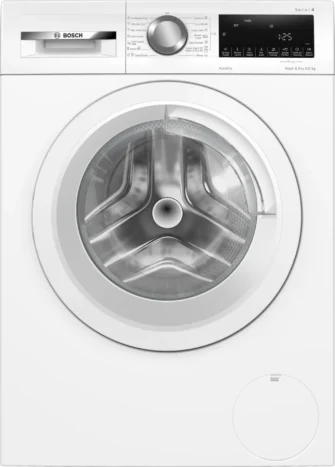
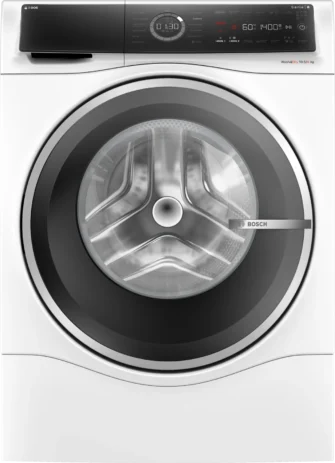
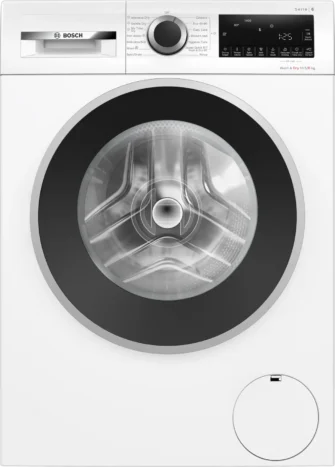
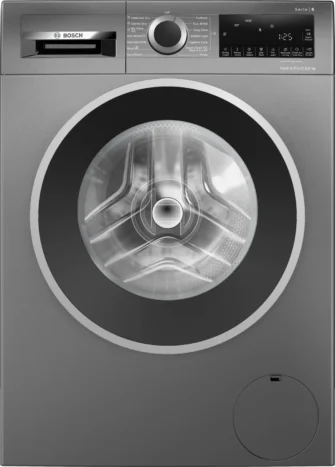
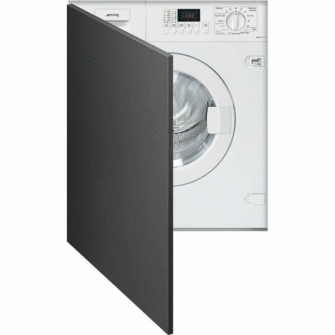
Are Washer Dryers Worth It? Pros, Cons & Buying Advice
Are washer dryers worth it, and are modern washer dryers actually any good? A combined washer dryer can be a practical choice if you have room for only one laundry appliance or want the convenience of washing and drying suitable loads without moving clothes between machines.
The short answer is yes, washer dryers can be worth buying, but not for everyone. Good modern models can wash clothes effectively and dry smaller loads to a usable finish. The main compromises are a lower drying capacity than washing capacity, long combined programmes and potentially higher electricity and water consumption when tumble drying regularly.
If you have limited space or only occasionally need machine drying, a washer dryer may be a sensible purchase. If your household produces several loads of laundry every day and relies heavily on tumble drying, a separate washing machine and tumble dryer will often be more practical.
Washer Dryer Pros and Cons at a Glance
| Advantages | Disadvantages |
|---|---|
| One appliance saves floor space | Drying capacity is usually lower than washing capacity |
| Can wash and dry suitable loads automatically | Full wash-and-dry cycles can take several hours |
| Can be used for washing only or drying only | Repeated tumble drying can increase running costs |
| Useful when drying space is limited | Some condenser systems use water during drying |
| Only one appliance to install and accommodate | Washing and drying cannot run independently at the same time |
Before buying, consider how much laundry you normally wash, how much you need to tumble dry and whether you would regularly exceed the machine's rated drying capacity.
Browse our Washer Dryers collection to explore integrated and freestanding models, or continue reading for a closer look at their advantages, drawbacks and running costs.
Are Washer Dryers Any Good at Washing Clothes?
Yes. A good modern washer dryer can clean laundry as effectively as a dedicated washing machine. Many provide the same everyday programmes, including cottons, synthetics, delicates, quick washes and lower-temperature cycles.
Washing performance depends on the individual model, detergent, programme and load size rather than whether the appliance also includes a dryer.
If you plan to use a washer dryer mainly for washing and only occasionally for drying, there is no reason to assume that the washing function will be inadequate simply because the machine combines two appliances.
Do Washer Dryers Dry Clothes Properly?
Modern washer dryers can dry clothes completely, but drying performance varies significantly between models. Some produce evenly dried laundry, while others may leave thicker garments damp or dry lighter items more than necessary.
The most important factor is using an appropriate load size. Clothes need space to tumble and allow warm air to circulate during drying.
If a drum is overloaded, laundry may take longer to dry, become more creased or finish with uneven moisture levels.
Automatic sensor drying can help by adjusting the drying process according to detected moisture. However, sensors and drying programmes are not equally effective across all appliances, so independent performance testing is useful when selecting a model.
Why Can Washer Dryers Wash More Than They Can Dry?
A washer dryer normally has two capacity figures: one for washing and a smaller one for drying.
For example, a 9kg/6kg washer dryer can wash up to 9kg of suitable laundry but dry a maximum rated load of 6kg. If you wash a full 9kg load, you would need to remove some items before starting the drying programme.
This is because clothes require more space to tumble during drying than they do during washing.
It also explains why the capacity printed most prominently in a product title may not represent the amount of laundry you can wash and dry continuously.
Buying advice: If you regularly want a complete wash-and-dry cycle without unloading, choose your appliance based on its drying capacity, not just its washing capacity.
How Long Does a Washer Dryer Take to Wash and Dry?
A complete wash-and-dry programme can take several hours, particularly when washing and thoroughly drying a substantial load.
The total time depends on the programme, fabric type, load weight, spin performance and required drying level. Some full eco wash-and-dry programmes run for six hours or longer, with certain machines taking approximately eight hours.
Many models also provide quick wash-and-dry options for small loads. However, a programme advertised as completing washing and drying in around an hour usually has a much smaller load limit than the appliance's maximum capacity.
A washer dryer also performs washing and drying sequentially. While it is drying one load, the same drum cannot wash another.
This is worth considering if you frequently need to complete several loads in one day.
Do Washer Dryers Use a Lot of Electricity?
Running a washer dryer for washing only can be reasonably efficient. The more significant energy consideration is how frequently you use the tumble-drying function.
Drying requires additional energy to remove moisture from clothes. Many combined washer dryers use conventional condenser technology, which can consume more electricity for drying than a dedicated heat-pump tumble dryer.
However, there is no single running cost that applies to every washer dryer. Electricity consumption varies by model, programme, load size and drying frequency.
How to Read a Washer Dryer Energy Label
Washer dryers display separate energy information for washing alone and for a complete wash-and-dry cycle.
A machine may achieve an A rating for washing but a D rating for the combined wash-and-dry cycle. These are different measurements and should not be confused.
When comparing appliances, look for:
- The A-to-G energy rating for washing only.
- The A-to-G energy rating for the complete wash-and-dry cycle.
- Electricity consumption in kWh per 100 washing cycles.
- Electricity consumption in kWh per 100 complete wash-and-dry cycles.
- Water consumption per washing and complete wash-and-dry cycle.
- The duration and rated capacity of the relevant programmes.
To estimate electricity cost per cycle, divide the published kWh per 100 cycles by 100 and multiply the result by your electricity unit rate.
Energy-label figures use standardised test programmes. Actual usage can differ depending on the programmes and loads you select.
Do Washer Dryers Use Water to Dry Clothes?
Many conventional condenser washer dryers use water during the drying process. Cold water is used to help condense moisture extracted from the laundry, allowing it to drain away through the appliance's waste-water connection.
As a result, the complete wash-and-dry cycle can use more water than a washing-only cycle.
Not every washer dryer uses the same drying technology, so check the manufacturer's specifications rather than assuming every model has identical electricity or water requirements.
If you expect to tumble dry frequently, comparing both energy and water consumption is worthwhile.
Are Washer Dryers Reliable?
A washer dryer combines two functions within one machine, but that does not automatically mean every model is less reliable than a dedicated washing machine or tumble dryer.
Reliability depends on the appliance's design, components, installation, maintenance and usage.
One practical consideration is that a fault affecting a combined appliance may leave you without both washing and drying until it is repaired. With two separate machines, one may remain usable if the other develops a fault.
Before purchasing, check the manufacturer's warranty, service support, independent reliability information and maintenance requirements. A higher purchase price is not, by itself, proof of better reliability.
Are Washer Dryers Good for Families?
A washer dryer can work well for a family, particularly when much of the laundry is air-dried and machine drying is used for selected items.
However, households that regularly wash large quantities of bedding, towels, sportswear and children's clothing may find the smaller drying capacity restrictive.
If several loads need machine drying on the same day, the combined wash-and-dry programme times can also become inconvenient.
For families who rely on tumble drying most days, dedicated washing and drying appliances may offer a more practical long-term arrangement if sufficient space is available.
Are Washer Dryers Worth It for Small Homes and Flats?
Space saving is one of the strongest reasons to buy a washer dryer.
Combining both functions in one appliance can be particularly useful in flats, compact kitchens and homes without a separate utility room.
Washer dryers are also worth considering where outdoor drying space is limited, although occasional air drying can still help control running costs.
Many modern condenser washer dryers do not need an external hot-air vent, but they still require the correct electrical supply, mains-water connection and waste-water drainage.
For kitchen installations, decide whether you need a freestanding appliance or an integrated model designed to sit behind a matching furniture door.
Is It Better to Buy a Washer Dryer or Separate Appliances?
The main question is how much laundry you need to dry and how often.
A washer dryer provides the convenience of two functions within one appliance footprint. Separate appliances offer the ability to wash one load while another is drying and can provide greater drying capacity.
If space is limited and your drying needs are moderate, the washer dryer may be the more practical purchase. If you have room for two appliances and regularly machine-dry large loads, separate washing and drying equipment may be more convenient and potentially more economical to operate.
Explore our Washing Machines and Tumble Dryers categories if you are considering that arrangement.
What Should You Look for When Buying a Washer Dryer?
1. Washing and Drying Capacity
Compare both capacity figures. A larger washing drum is useful, but the drying limit determines how much laundry can complete a continuous wash-and-dry programme.
2. Energy and Water Consumption
Read the energy label for the complete wash-and-dry cycle as well as washing alone. If you expect to dry clothes frequently, the combined-cycle figures are particularly important.
3. Drying Performance and Sensors
Look for automatic drying levels and reliable moisture sensing. Independent test results can help identify models that dry evenly without leaving laundry damp or excessively dry.
4. Programme Times
Check full wash-and-dry durations alongside quick-programme capacities. A fast cycle for a small load does not mean the appliance can wash and dry a full drum in the same time.
5. Installation Type and Dimensions
Freestanding models have a finished appliance front and can be installed in suitable open spaces or under worktops. Integrated washer dryers are designed to fit within cabinetry behind furniture doors.
Measure the full appliance depth, allowing for hoses, plumbing, electrical connections and door clearance. Integrated models require particular attention to cabinet openings and furniture-door fittings.
6. Maintenance and Warranty
Check how to clean the detergent drawer, door seal, pump filter and any lint-related components specified by the manufacturer.
Regular maintenance helps prevent blockages, unpleasant odours and avoidable performance problems. Compare warranty terms and service arrangements before choosing.
Who Should Buy a Washer Dryer?
| Your Laundry Needs | Our Assessment |
|---|---|
| Limited space for appliances | A washer dryer is often a practical solution. |
| Mostly washing, occasional tumble drying | A strong reason to consider a combined appliance. |
| Smaller loads that can wash and dry together | Automatic wash-and-dry programmes can be convenient. |
| Several large loads needing drying every day | Drying capacity and long programmes may be restrictive. |
| Enough room for two appliances and frequent drying | Separate washing and heat-pump drying may be more suitable. |
Are Washer Dryers Worth It? Frequently Asked Questions
Are washer dryers actually any good?
Yes. Good modern washer dryers can wash effectively and dry suitable loads properly. However, drying performance varies between models, so capacity, programme times and independent testing matter.
What is the biggest disadvantage of a washer dryer?
The smaller drying capacity is one of the main disadvantages. A full washing load often cannot be dried continuously without removing some laundry. Long combined programmes can also be inconvenient.
Do washer dryers dry clothes completely?
They can, provided the load is within the rated drying capacity and the correct programme is used. Overloading and unsuitable drying settings can leave garments damp or unevenly dried.
Are washer dryers expensive to run?
Washing alone can be efficient, but frequent tumble drying increases energy consumption. Many condenser washer dryers also use water during drying. Compare complete-cycle energy and water figures before buying.
Can you use a washer dryer just for washing?
Yes. Washer dryers offer washing-only programmes, so you do not have to use the drying function after each wash.
Can you use a washer dryer just for drying?
Yes. Most modern washer dryers provide suitable drying-only programmes, allowing you to dry damp laundry without running a washing cycle first. Check the model's available programmes and drying-load limit.
Do washer dryers need a vent?
Most modern condenser washer dryers do not require an external hot-air vent. They still need the appropriate water supply, drainage and electrical connection, with installation following the manufacturer's instructions.
Do washer dryers take longer than tumble dryers?
A complete wash-and-dry programme can take considerably longer than a standalone drying cycle because the same appliance carries out both stages consecutively. Drying times depend on the selected load and programme.
Are washer dryers suitable for a family of four?
They can be, particularly if drying is occasional and loads are managed carefully. Families needing several large machine-dried loads each day may find a dedicated tumble dryer more convenient.
Do washer dryers damage or shrink clothes?
Incorrect drying temperatures, excessive drying and unsuitable programmes can damage or shrink some fabrics, as with other tumble-drying appliances. Follow garment-care labels, respect load limits and use appropriate drying settings.
Is an integrated washer dryer as good as a freestanding one?
Both types can provide effective washing and drying. The important differences are installation requirements and the individual model's capacity and performance. Choose integrated when concealed cabinetry is a priority, or freestanding where a visible appliance is suitable.
Our Verdict: Should You Buy a Washer Dryer?
Washer dryers are worth considering when limited space makes two separate appliances impractical, or when you value the convenience of occasionally drying laundry without transferring it between machines.
They are not necessarily the best choice for households with consistently high drying demands. Smaller drying loads, long wash-and-dry programmes and potential running costs should be weighed against their space-saving benefit.
Choose based on how much laundry you actually machine-dry, rather than simply buying the largest washing capacity available.
Explore our Washer Dryers range to compare available models. You can also browse Integrated Washer Dryers and Freestanding Washer Dryers according to your installation needs.
Related Laundry Buying Guides
Considering a dedicated drying appliance? Explore Tumble Dryers for current heat-pump models or browse Washing Machines.
For customers specifically considering Miele appliances, our Miele Washer Dryer vs Separate Appliances guide compares Miele's combined machines with its dedicated washing and drying options.