

Hobs – Induction, Gas, Ceramic & Vented Hobs
Shop hobs across induction, gas, ceramic, mixed-fuel and vented designs, from compact domino cooking zones to wide 90cm and larger models. Compare hob width, cooking zones or burners, worktop installation, finishes and extraction requirements to choose the right cooking surface for your kitchen.
Shop hobs by type
- Induction hobs – fast, responsive electric cooking with smooth glass surfaces and options including bridge, flexible and full-surface cooking areas.
- Gas hobs – visible flame control with different burner layouts, finishes and high-output wok burners on selected models.
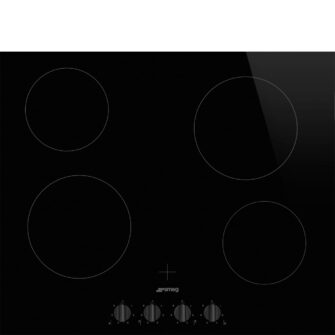
- Ceramic hobs – smooth electric cooking surfaces using radiant heating rather than magnetic induction.
- Vented induction hobs – induction cooking and extraction combined in one appliance for islands and kitchens where an overhead cooker hood is unsuitable.
- 5 burner gas hobs – wider gas cooking surfaces with additional room for several pans at once.
How to choose a hob
Start by choosing the cooking technology, then check the physical installation. Hob width, worktop cut-out, cabinet clearance, electrical or gas supply and extraction all need to suit the kitchen. Two hobs sold within the same nominal width category can require different worktop openings.
| Hob type | Useful for | What to check |
|---|---|---|
| Induction | Fast electric cooking, responsive control and easy-clean glass | Induction-compatible cookware, electrical load, zones, bridge functions and cut-out |
| Gas | Visible flame control and direct manual adjustment | Natural gas or LPG compatibility, burner layout, gas connection and pan supports |
| Ceramic | Straightforward electric cooking without requiring induction-compatible cookware | Electrical supply, radiant-zone layout, controls and worktop dimensions |
| Vented induction | Combining cooking and extraction without an overhead hood | Ducted or recirculating installation, cabinet space, filters, airflow and electrical load |
| Mixed fuel | Combining gas and induction cooking on one surface | Both gas and electrical services, overall width and worktop cut-out |
| Domino or modular | Creating a compact or customised cooking layout | Module compatibility, controls, installation spacing and required extraction |
Induction hobs
Induction hobs use magnetic fields to generate heat directly in compatible cookware. This gives rapid response to changes in power and leaves the surrounding glass easier to clean because the pan itself is the main source of heat.
Induction requires cookware with a magnetic base. Cast iron, carbon steel and many stainless-steel pans are suitable, while aluminium, copper, glass and ceramic cookware normally need a compatible magnetic base.
Bridge and flexible induction zones
Selected induction hobs allow two or more neighbouring zones to be linked into a larger cooking area. Manufacturers use terms such as Bridge, Flex, FlexiBridge, PowerFlex and SmartZone for different implementations of this idea.
Flexible zones are useful for griddles, plancha plates, fish kettles and other cookware that does not sit comfortably on a conventional circular zone. Exact pan-position and minimum-size requirements remain model specific.
Gas hobs
Gas hobs provide direct flame control and are available with different burner counts, materials and widths. A 60cm four-burner layout is common, while wider 70cm, 75cm and 90cm models can provide additional burner space without necessarily increasing the worktop cut-out by the same amount.
Selected gas hobs include higher-output wok burners for rapid heating. Check burner spacing as well as burner count if you regularly use several large pans at once.
Natural gas and LPG
Gas-hob fuel compatibility is model specific. Some appliances are supplied for natural gas with conversion components available, while other manufacturers sell dedicated natural-gas and LPG variants.
Use the exact manufacturer specification and arrange installation through an appropriately qualified Gas Safe engineer.
Ceramic hobs
Ceramic hobs use electric radiant heating beneath a smooth glass surface. Unlike induction, the cooking zone itself heats up and transfers heat into the pan, so induction-compatible magnetic cookware is not required.
Ceramic hobs can be useful where a smooth electric cooking surface is wanted without changing existing pans, but heating response and residual heat behaviour differ from induction.
Vented induction hobs
A vented induction hob combines induction cooking and extraction within the worktop appliance. Cooking vapour is captured close to the pans, reducing the need for a conventional cooker hood positioned above the hob.
This format requires more installation planning below the worktop. Compare cabinet-space requirements, duct routing, recirculation components, filters, airflow and noise as well as the induction cooking zones.
Ducted or recirculating?
Ducted extractor hobs discharge air outside through suitable ductwork. Recirculating installations filter the air and return it to the kitchen. Some models support both configurations, while others are sold as dedicated duct-out or recirculating versions.
Do not assume that the required filters or ducting parts are included with every model. Check the installation pack and accessory requirements for the exact appliance.
Hob sizes
Common hob widths include approximately 30cm for compact domino modules, 60cm for standard cooking surfaces and 70cm, 75cm, 80cm or 90cm for wider layouts. Specialist modular and professional cooking systems can be larger still.
Nominal width is a shopping category rather than an installation measurement. Always compare the exact appliance width, depth and manufacturer-specified worktop cut-out before replacing an existing hob.
How many cooking zones or burners do you need?
Four zones or burners suit many everyday kitchens. Five-zone and five-burner layouts provide additional pan space, while wider induction hobs can offer five or six cooking positions or flexible areas that change according to the cookware being used.
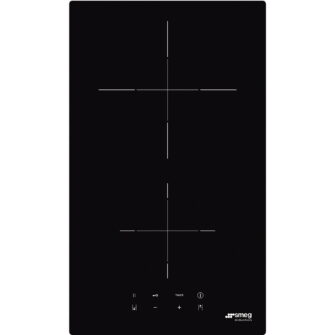
Specialist domino and modular products may use only one or two cooking areas because they are designed to form part of a larger customised cooking layout.
Flush or surface-mounted installation
Many frameless induction hobs can be installed either raised above the worktop or flush with it, while other appliances are designed for surface mounting only. Flush installation normally requires more precise worktop preparation and may be unsuitable for some worktop materials.
Check the installation drawing rather than relying on appearance alone. Gas, ceramic, modular and vented hobs can all have different clearance and mounting requirements.
Smart and connected hob features
Connected functionality varies significantly between brands. Genuine smart hobs can use Wi-Fi or an app for functions such as setup guidance, monitoring or notifications.
Hob-to-hood communication is a separate feature. Systems such as Hob2Hood, Con@ctivity or Link Mode allow compatible cooking and extraction appliances to communicate, but this should not automatically be treated as general Wi-Fi or app connectivity.
Hob finishes and materials
Black glass is common across induction and ceramic hobs, while gas hobs are also widely available in stainless steel and gas-on-glass designs. Selected manufacturers offer matt glass, grey glass, white glass and coloured enamel finishes.
Colour and surface finish should be treated separately when comparing products. A matt black surface and a conventional glossy black-glass surface may belong to the same broad colour group but have different appearance and cleaning characteristics.
Electrical and gas installation
Many induction and ceramic hobs require a hardwired electrical supply, with connected load varying considerably between models. Some hobs support power-management settings, but the available electrical circuit should still be checked against the manufacturer's specification.
Gas and mixed-fuel hobs have additional gas-service requirements. For every installation, use the manufacturer's current installation documentation and appropriate qualified tradespeople.
Hobs FAQs
What types of hob are available?
The main choices are induction, gas, ceramic and vented induction. Mixed-fuel hobs combine technologies, while domino, modular and Teppanyaki products provide more specialist cooking layouts.
What is the difference between induction and ceramic hobs?
Induction creates heat directly in compatible magnetic cookware. A ceramic hob heats the electric cooking element beneath the glass and transfers that heat into the pan.
Do induction hobs need special pans?
They need cookware with a magnetic base. A simple preliminary check is whether a magnet sticks firmly to the bottom of the pan, although the hob manufacturer's cookware-size requirements should also be followed.
What is a vented hob?
A vented hob combines the cooking surface with built-in extraction. Most current products use induction cooking, although a small number of other vented cooking formats also exist.
Should a hob be the same width as the existing cut-out?
Not necessarily. Nominal width and worktop cut-out are separate dimensions. Compare the exact cut-out drawing before ordering a replacement.
What is a bridge zone?
A bridge function combines neighbouring induction zones into one larger controlled cooking area, allowing wider or longer cookware to span more than one conventional zone.
Can a vented hob recirculate?
Many can, but configuration varies. Some support either ducted or recirculating installation, while others are supplied specifically for one method. Check filters, ducting and cabinet requirements for the individual model.
What size hob is most common?
Approximately 60cm is a common standard width, but narrower domino modules and wider 70cm, 80cm, 90cm and larger hobs are widely available.
Can I install a hob flush with the worktop?
Selected models support flush installation, but worktop material, cut-out dimensions and manufacturer requirements need to be suitable. Other hobs are intended only for raised or surface-mounted installation.
Does a smart hob mean it automatically controls the cooker hood?
Not necessarily. Wi-Fi or app connectivity and hob-to-hood communication are separate features. Check the exact connectivity and compatibility specification for both appliances.
Related hob categories
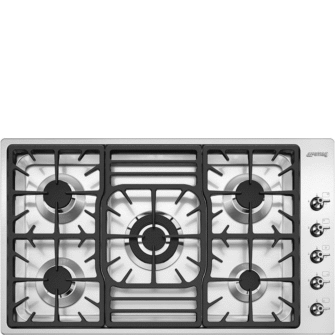
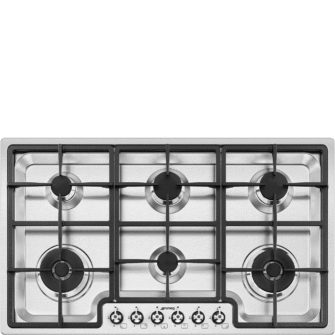
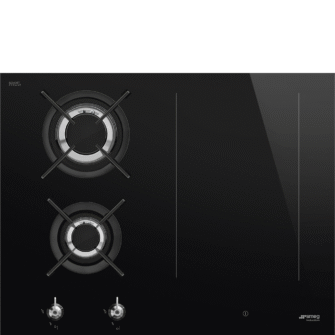
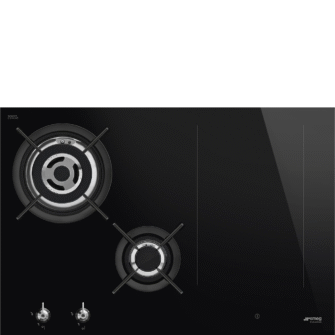
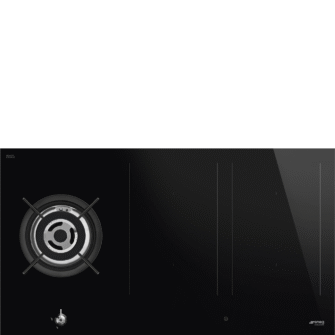
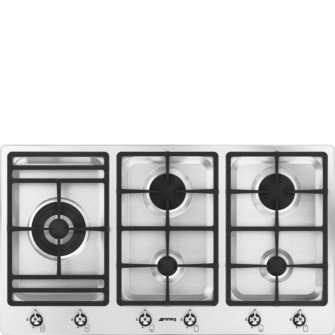
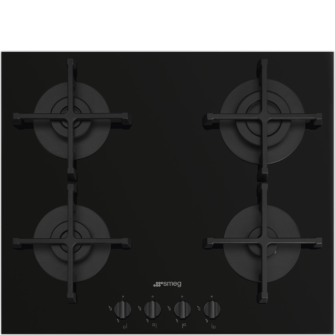
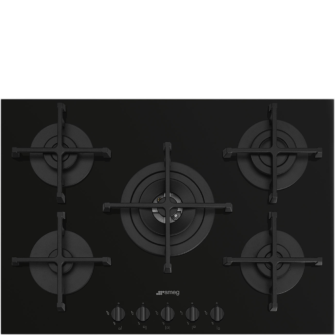
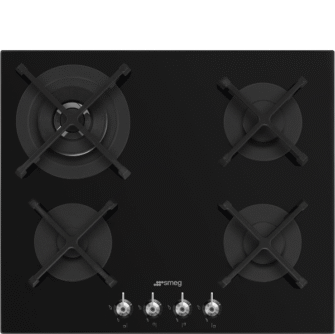
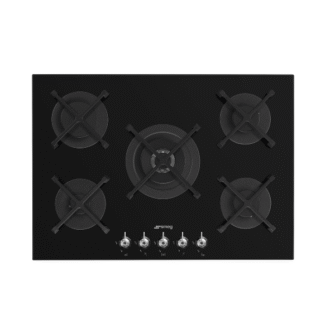


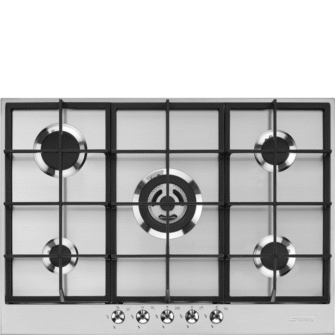

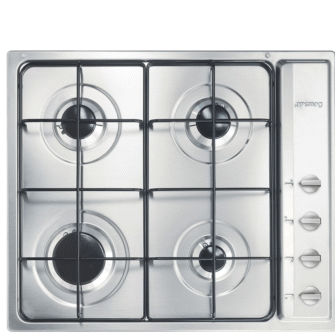


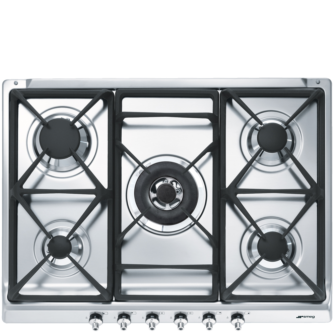


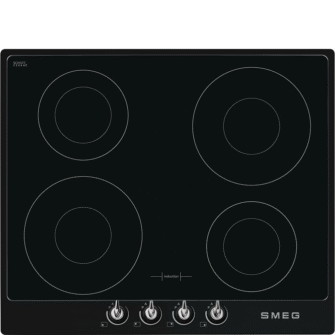
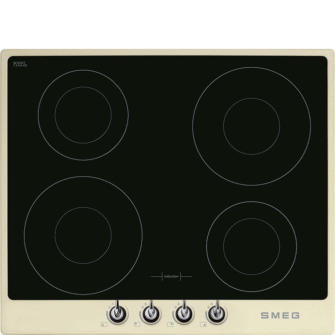
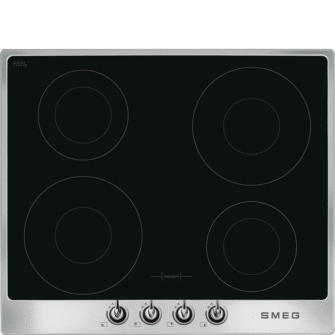
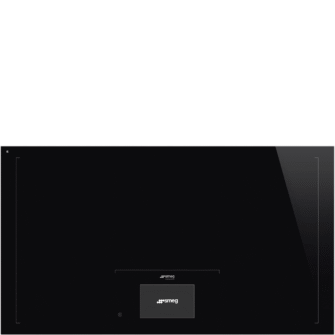
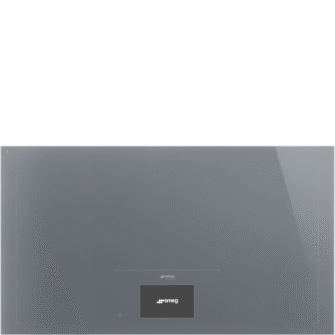
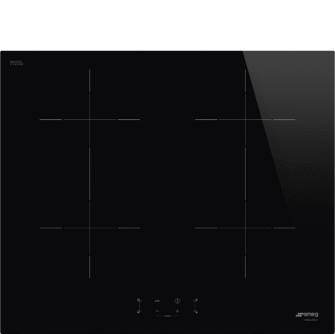


Gas Burner Hobs provide unmatched flexibility with instant control and efficient cooking. Available with four, five, or six burners, they accommodate various cooking needs. For high-power wok cooking, choose a model with a dedicated wok burner. Base materials include stainless steel and glass, allowing you to select the perfect match for your kitchen’s aesthetic.

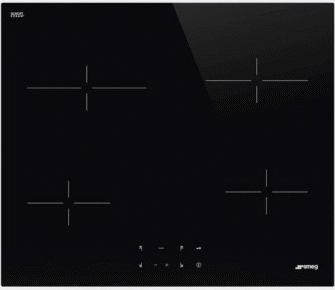
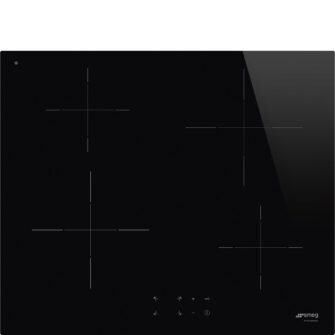
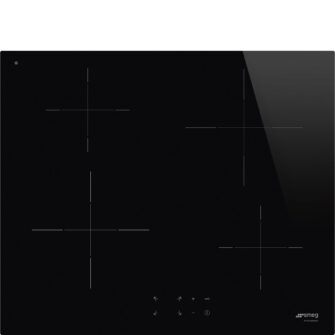
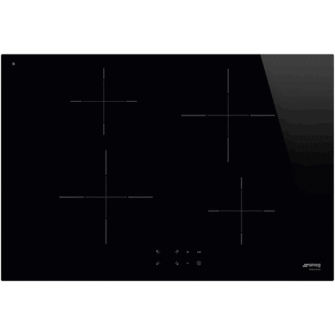
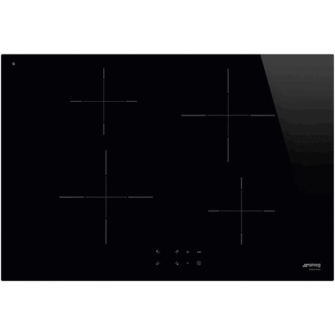
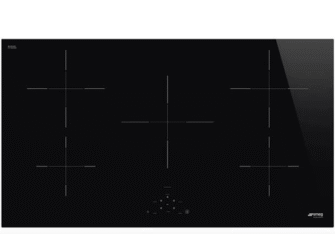
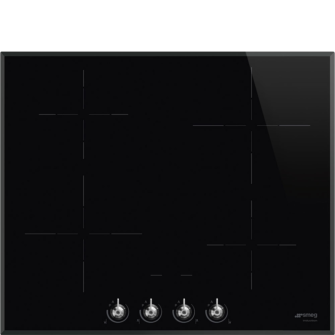
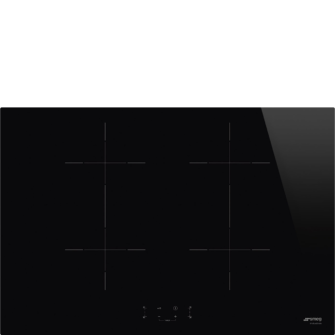
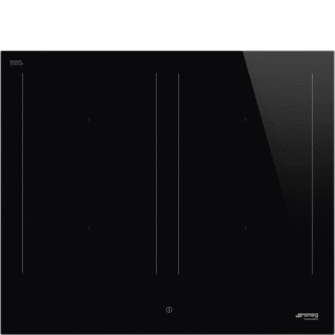
Electric Induction Hobs offer safe, efficient, and easy-to-clean cooking with cutting-edge technology. They heat only the pan, keeping surface temperatures low for safety. Available in various configurations, including flex and bridge zones, and free induction options for ultimate cooking flexibility.

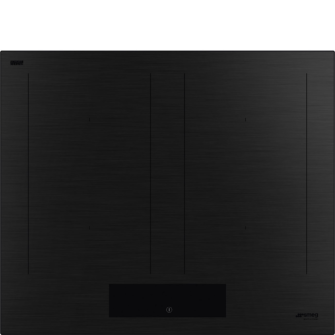
A Hob with Extractor Built In combines a hob and extraction system into one efficient unit. Featuring advanced induction cooking and built-in vapour extraction, they quickly remove cooking odours and moisture. This practical solution eliminates the need for a separate kitchen extractor.