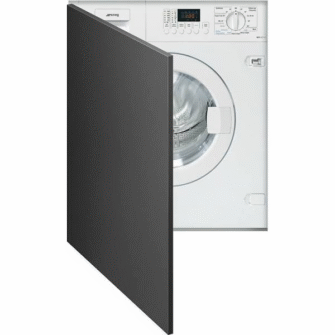

Integrated Washer Dryers
Integrated washer dryers combine washing and drying in one appliance while fitting behind a matching kitchen furniture door. They are a practical option where you want a concealed laundry appliance but do not have space for a separate washing machine and tumble dryer. Compare washing capacity, drying capacity, energy ratings, spin speed, noise, dimensions and installation requirements before choosing.
Choosing an integrated washer dryer
An integrated washer dryer needs to perform two different jobs in the space of one appliance. The most important specifications are therefore not just washing capacity and spin speed, but also drying capacity, cabinet dimensions and the requirements for fitting the furniture door.
Start with the space available in your kitchen, then compare the amount of laundry you normally wash and how much of it you expect to tumble dry. Features such as sensor drying, steam programmes, automatic load adjustment and specialist fabric cycles can then help narrow the choice.
What is an integrated washer dryer?
An integrated washer dryer, also commonly called a built-in washer dryer, is designed to sit inside kitchen cabinetry behind a furniture door. When installed correctly, the appliance itself is largely hidden and the kitchen retains a consistent fitted appearance.
This differs from a freestanding washer dryer, which has a finished appliance front and remains visible even when positioned beneath a worktop.
Compare washing and drying capacity separately
Washer dryers normally have two capacity figures: one for washing and a lower figure for drying. This is one of the most important specifications to understand before buying.
A machine may be able to wash a larger load than it can dry in one cycle. If you fill it to its maximum washing capacity, you may therefore need to remove some laundry before starting a drying programme.
If you frequently wash and tumble dry large loads, separate washing and drying appliances may provide more usable drying capacity. An integrated washer dryer is most useful where space and concealed installation are higher priorities.
Understanding washer dryer energy ratings
Washer dryers have separate energy information for washing alone and for the complete wash-and-dry cycle. Compare both rather than relying on a single energy class.
The complete-cycle figure reflects the energy required to wash and then dry the laundry, while the wash-only information allows a more relevant comparison if you regularly use the appliance without drying.
Energy labels can also provide useful information on water consumption, programme duration, spin performance and airborne noise.
Check the dimensions carefully
Integrated laundry appliances are designed around fitted kitchen cabinetry, but exact dimensions are not universal. Widths may be similar across many models while height, depth, hose clearance and furniture-door requirements can still differ.
Before ordering, check:
- Appliance height: make sure the machine will fit beneath the worktop and within the cabinet opening.
- Appliance width: compare the manufacturer's exact measurement rather than relying only on a nominal 60cm description.
- Appliance depth: allow sufficient space for the machine, hoses and connections behind it.
- Door clearance: make sure both the furniture door and appliance door can open sufficiently for loading.
- Plumbing: check the position of the cold-water supply and waste connection.
- Electrical supply: follow the manufacturer's installation instructions for socket position and accessibility.
Furniture doors and hinge positions
The furniture door is fixed to the integrated appliance using model-specific hinges and mounting points. Do not assume that the hinge positions from an existing washer dryer will line up with a replacement machine.
Some integrated washer dryers allow the furniture door to be hinged on either side, while others have specific fitting requirements. Always check the installation drawing, furniture-door dimensions and drilling template before ordering or modifying an existing cabinet door.
Spin speed and drying performance
Spin speed determines how quickly the drum can rotate during the final spin. A higher effective spin can remove more water from suitable fabrics before the drying stage, although the actual speed used depends on the programme and load.
Spin speed should not be considered in isolation. Capacity, programme performance, noise and the appliance's drying system are also important when comparing integrated washer dryers.
Noise levels
If the appliance will be installed in an open-plan kitchen or close to living areas, check its airborne noise level during spinning. This is a more useful comparison than an unspecified general noise figure because different stages of a wash-and-dry programme produce different sound levels.
Correct installation also matters. The appliance should be level and securely positioned to help minimise unnecessary movement and vibration.
Useful washer dryer features
Features vary considerably between brands and models, so choose according to how you actually do laundry rather than simply looking for the longest specification list.
Automatic load adjustment
Load-sensing systems can adjust elements of a programme according to the amount of laundry in the drum. Depending on the appliance, this may influence programme duration, water use or other cycle settings.
Sensor drying
Selected washer dryers use sensors to monitor the drying process and stop or adjust the programme when the required dryness level is reached. This can be more convenient than relying entirely on a fixed drying time.
Steam programmes
Steam functions on selected appliances can be used to refresh suitable garments or help reduce creasing. The exact purpose varies by manufacturer, so check whether the programme is intended for refreshing, washing assistance or another fabric-care function.
Quick wash and wash-and-dry programmes
Some washer dryers include shorter programmes for smaller or lightly soiled loads. Where a combined wash-and-dry programme is offered, check its maximum load because quick cycles usually accept less laundry than the appliance's full washing capacity.
Water protection
Depending on the model, integrated washer dryers may include anti-flood systems, inlet-hose protection or other measures designed to reduce the risk of water leaks. Check the individual specification if water protection is a priority.
Integrated or freestanding washer dryer?
Choose an integrated washer dryer when the appliance needs to sit behind a matching kitchen furniture door. It is usually the better fit for a fully coordinated fitted kitchen where the laundry appliance should remain concealed.
A freestanding washer dryer is the alternative when the appliance can remain visible. Freestanding ranges often provide a wider choice of capacities, finishes and specifications because they do not need to fit behind a furniture door.
Washer dryer or separate appliances?
A washer dryer saves floor space by combining two functions in one cabinet. The main compromise is drying capacity, which is normally lower than washing capacity.
If you have enough space and regularly dry large loads, a separate washing machine and tumble dryer may offer greater capacity and the ability to wash one load while another is drying.
If you need concealed installation but do not need tumble drying, compare built-in washing machines instead.
Frequently asked questions
What is the difference between an integrated and built-in washer dryer?
For this type of laundry appliance, the terms are commonly used to describe a washer dryer designed to fit within kitchen cabinetry behind a furniture door. Integrated is the clearer description because it distinguishes the appliance from a freestanding machine simply positioned beneath a worktop.
Can an integrated washer dryer wash and dry the same size load?
Usually not. Washer dryers normally have a higher maximum washing capacity than drying capacity. Check both figures when comparing appliances, particularly if you want to wash and dry a complete load without removing laundry between stages.
Are integrated washer dryers a standard size?
No. Although many are designed around standard fitted-kitchen widths, exact height, width and especially depth vary. Installation clearances and furniture-door requirements also differ, so always check the manufacturer's dimensions before ordering.
Can I reuse my existing kitchen furniture door?
Often the door itself can be reused if its size and weight are suitable, but the hinge positions may need to change. Check the new washer dryer's installation template rather than assuming the existing holes will align.
Do integrated washer dryers need a vent?
Most modern domestic washer dryers use a condensing drying system rather than requiring an external tumble-dryer vent. Installation requirements still vary, so follow the specification and fitting instructions supplied with the individual appliance.
What capacity integrated washer dryer do I need?
Choose according to both your normal washing load and the amount you regularly tumble dry. The drying capacity is often the more restrictive figure, so households that frequently dry large loads should pay particular attention to it.
Are integrated washer dryers less efficient when drying?
Washing and complete wash-and-dry performance are shown separately on the energy label. Compare the complete-cycle energy and water figures if you expect to use the drying function regularly rather than judging an appliance only by its wash-only rating.
Can I replace an integrated washing machine with an integrated washer dryer?
Potentially, provided the new appliance fits the available housing and suitable plumbing, electrical and furniture-door arrangements can be made. Check dimensions and installation drawings carefully because hinge positions and cabinet clearances may differ.
Related laundry categories