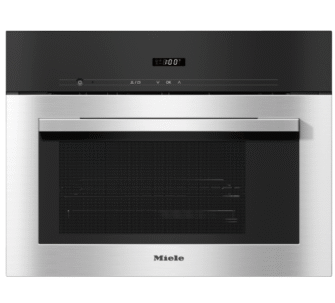
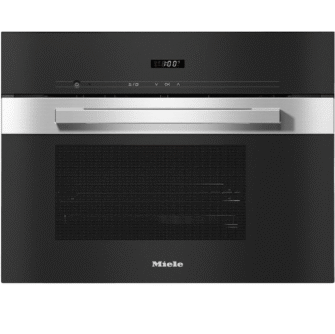
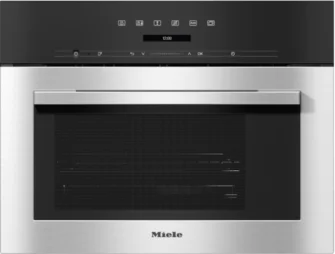
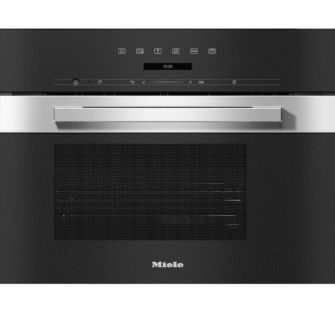
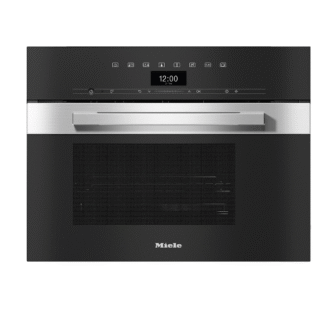
Miele Pyrolytic vs PerfectClean Ovens
What's the difference between Miele pyrolytic and PerfectClean ovens? Both are designed to make cleaning easier, but they use different methods. Pyrolytic ovens have a high-temperature self-cleaning programme that turns food residue into ash, while PerfectClean ovens use easy-clean interior surfaces, with catalytic liners on selected models, to make regular manual cleaning more manageable.
The Miele H 2861 B and H 2861 BP provide a useful comparison. Both are 76-litre built-in ovens with EasyControl Plus, automatic programmes, AirFry and Miele@home connectivity. The main purchasing decision between them is whether you prefer the PerfectClean and catalytic arrangement or the convenience of pyrolytic self-cleaning.
Miele Pyrolytic vs PerfectClean: Key Differences
| Feature | PerfectClean with Catalytic Liners | Pyrolytic Cleaning |
|---|---|---|
| Cleaning method | Easy-clean surfaces and catalytic liners | Automatic high-temperature cleaning programme |
| Manual cleaning | Regular wiping and occasional deeper cleaning | Preparation and final ash removal still required |
| Baked-on grease | Requires manual attention; catalytic liners help with grease deposits | High temperatures break down much of the residue |
| Dedicated cleaning cycle | No pyrolytic cycle | Yes |
| Electricity used for cleaning | No dedicated high-temperature cleaning programme | Additional electricity used during pyrolysis |
| Accessories | Clean according to their individual care instructions | Remove accessories unless specifically approved for pyrolysis |
| Example Miele oven | H 2861 B | H 2861 BP |
Our recommendation: Choose PerfectClean if you're happy to clean the oven regularly and want easy-maintenance surfaces. Choose pyrolytic cleaning if you frequently roast, grill or cook foods that leave stubborn residue and would prefer an automated deep-cleaning programme.
How Does Miele PerfectClean Work?
PerfectClean is Miele's easy-clean surface finish, designed to reduce food sticking to suitable oven interiors and accessories. Regular residue can generally be removed with warm water, washing-up liquid and a suitable soft sponge, following the manufacturer's instructions.
The Miele H 2861 B also features catalytically enamelled liners that help break down grease during suitable oven operation. These support everyday maintenance, but they do not eliminate the need for manual cleaning.
How Does Miele Pyrolytic Cleaning Work?
Pyrolytic cleaning heats the oven cavity to very high temperatures, breaking down grease and baked-on deposits. When the programme has finished and the oven has cooled, the remaining ash can be wiped away.
The Miele H 2861 BP includes a dedicated pyrolytic programme and an automatic door lock during cleaning. Loose food debris should be removed beforehand, and trays, runners and other accessories must be removed unless they are specifically approved for pyrolysis.
Miele H 2861 B vs H 2861 BP
Both ovens provide 76 litres of cooking space, five shelf levels, an A+ energy rating, EasyControl Plus controls, automatic programmes and Miele@home connectivity. Both also offer AirFry, making them closely matched choices for everyday baking, roasting and grilling.
Miele H 2861 B: Choose this model if you want a spacious, well-equipped oven with PerfectClean surfaces and catalytic liners, and you're comfortable with regular manual maintenance.
Miele H 2861 BP: Choose this model if reducing the effort involved in deep-cleaning the oven cavity is particularly important to you. Pyrolytic cleaning is its main advantage in this comparison.
Compare the current prices of the H 2861 B and H 2861 BP before deciding whether the additional cleaning convenience justifies the purchase-price difference.
Is a Miele Pyrolytic Oven Worth It?
A pyrolytic oven is worth considering if you regularly cook foods that leave stubborn grease or baked-on residue. Its automatic cleaning programme can reduce the amount of scrubbing required, although it takes time, uses electricity and still involves some preparation and wiping afterwards.
For lighter cooking or households that routinely wipe the oven after use, PerfectClean surfaces with catalytic liners may be entirely sufficient. Neither cleaning method automatically produces better cooking results, so choose according to your maintenance preferences and budget.
Miele Pyrolytic vs PerfectClean FAQs
Is pyrolytic cleaning better than PerfectClean?
Pyrolytic cleaning generally requires less manual effort when removing stubborn residue from the oven cavity. PerfectClean makes routine manual cleaning easier. The better choice depends on how frequently you cook and how much oven cleaning you prefer to do yourself.
Can trays stay inside a Miele pyrolytic oven during cleaning?
Only accessories specifically approved for pyrolytic cleaning should remain inside the oven. Ordinary trays, racks and runners may be damaged by the high temperatures. Always follow the instructions for the exact Miele oven and accessories.
Does pyrolytic cleaning use more electricity?
Running a pyrolytic programme uses additional electricity because the oven operates at very high temperatures. Actual consumption depends on the model and cleaning cycle. Consider this alongside the convenience of automated cleaning rather than assuming either method always has lower total ownership costs.
Explore More Miele Ovens
Browse our complete Miele Ovens collection to compare additional built-in ovens, cleaning systems, cooking functions and finishes.