

Wine Fridges & Wine Coolers
Shop wine fridges and wine coolers for dedicated bottle storage, including built-in, under-counter, freestanding and tall wine cabinets. Compare installation dimensions, bottle capacity, temperature zones, temperature range, noise level and energy rating to choose the right appliance for storing or serving your wine collection.
Choose a Wine Fridge by Installation Type
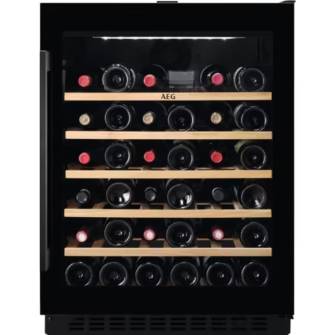
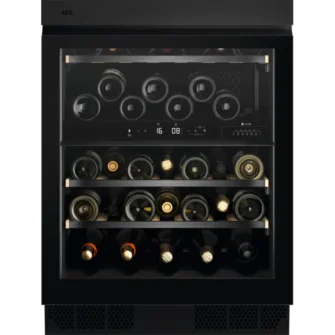
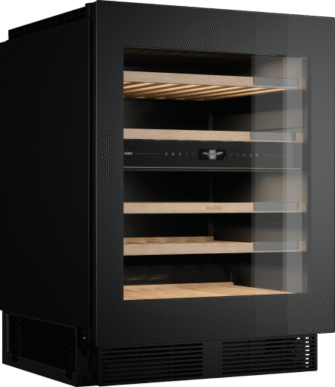
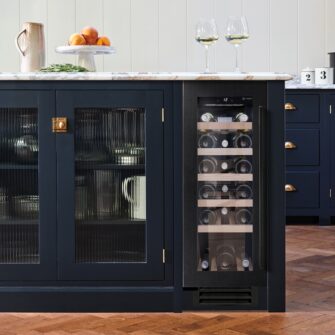
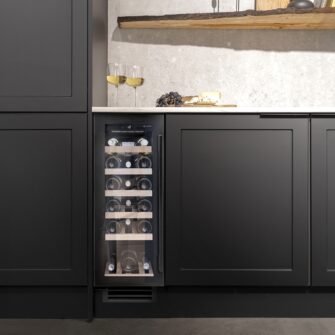
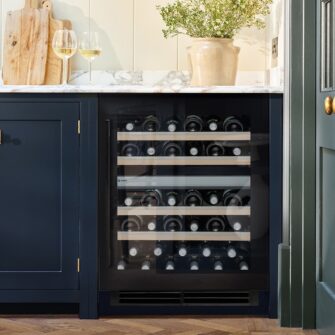
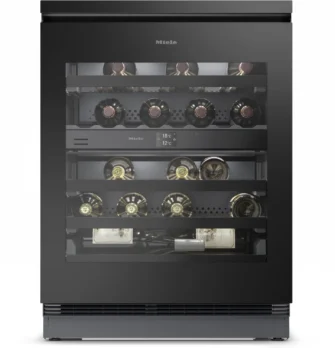
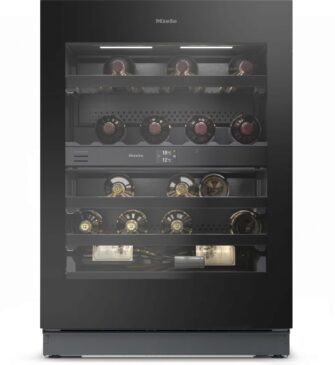
- Under counter wine coolers fit beneath a kitchen worktop and are available in compact and full-width formats. Check the niche dimensions, ventilation and door clearance before installation.
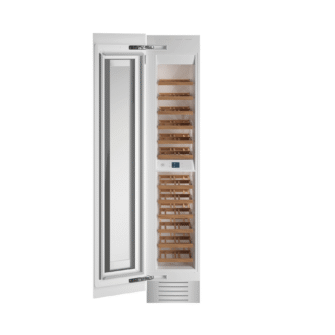
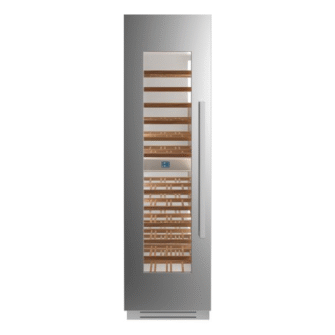
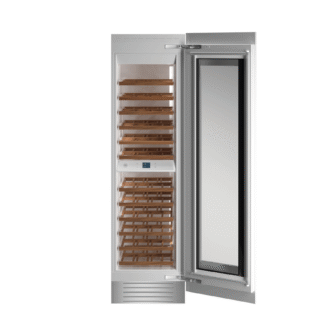
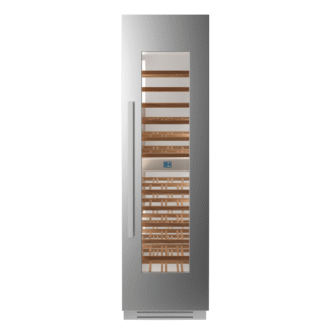
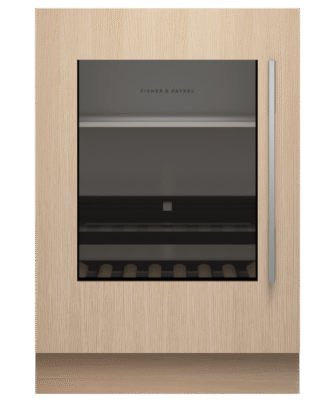
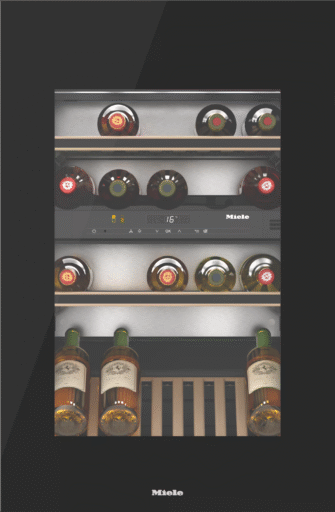
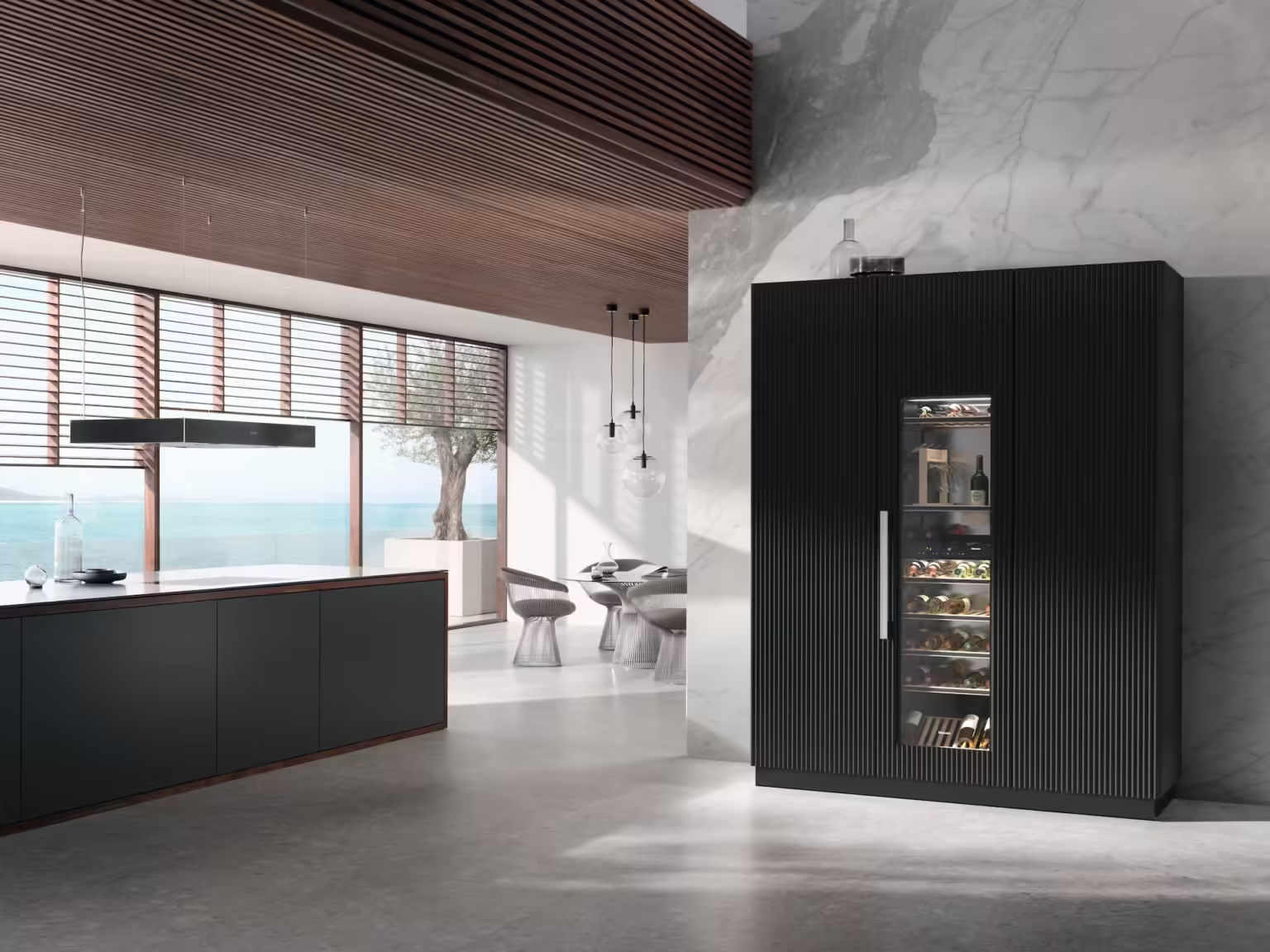
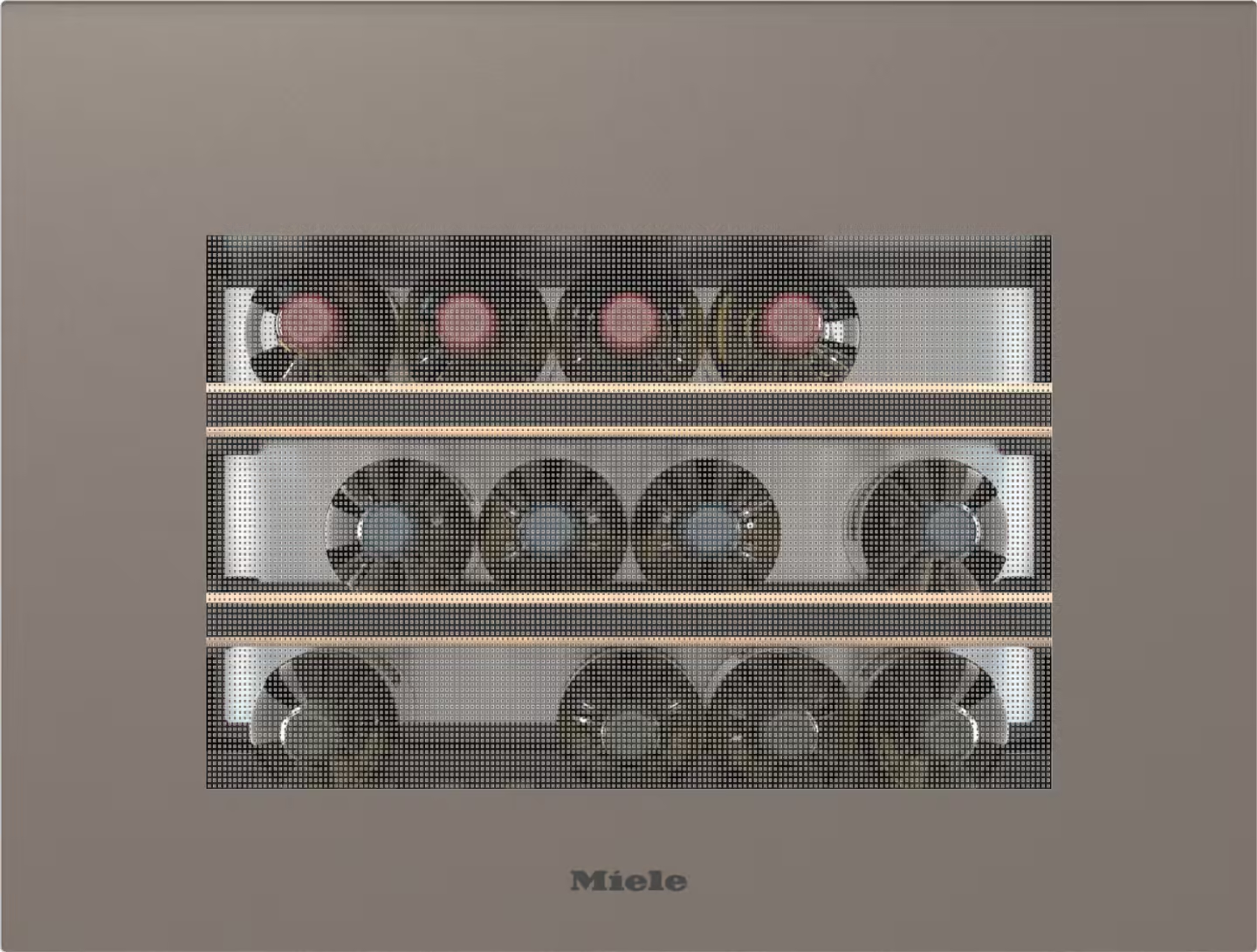
- Built-in wine coolers install within cabinetry and can include compact in-column, full-height and panel-ready formats.
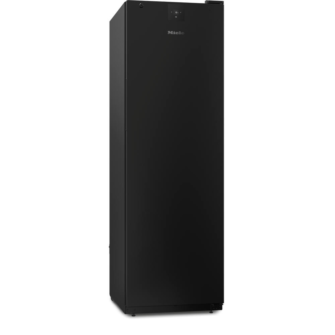
- Freestanding wine fridges have a finished exterior and can be positioned independently, subject to the manufacturer's ventilation and ambient-temperature requirements.
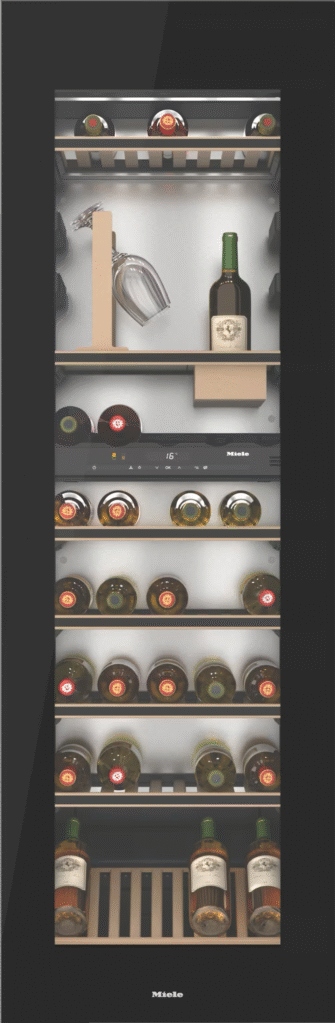
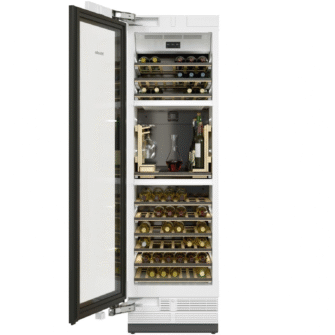
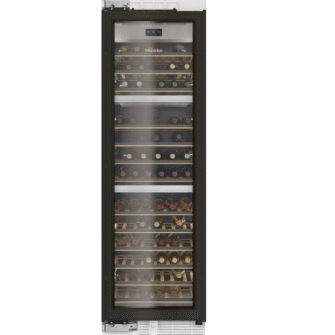
- Tall wine cabinets provide greater bottle capacity for larger collections and may offer several independently controlled temperature zones.
Looking specifically for a model beneath a worktop? Browse our under counter wine coolers.
How to Choose a Wine Fridge
Check the Installation Dimensions
Wine coolers are available in several formats, so do not choose by nominal width alone. Measure the available height, width and depth and compare them with the manufacturer's required niche or clearance dimensions.
Compact built-in models designed for an appliance column are different from wine coolers intended to sit beneath a standard-height worktop. A 45 cm or 60 cm niche-height wine cooler should not automatically be treated as an under-counter appliance.
Single, Dual or Multiple Temperature Zones
A single-zone wine fridge keeps the whole cabinet at one selected temperature. It is suitable where bottles are being stored under similar conditions or where the cabinet is primarily used to bring one type of wine to serving temperature.
Dual-zone and multi-zone wine coolers allow different sections to be set independently. This can be useful when storing red and white wines together or when one part of the cabinet is used for longer-term storage and another for serving temperatures.
Bottle Capacity
Manufacturers normally quote bottle capacity using standard 750 ml Bordeaux-style bottles. Champagne, Burgundy, magnum and unusually shaped bottles can reduce the number that fits in practice.
Look at the shelf layout and spacing as well as the headline bottle count, particularly if your collection includes a mixture of bottle shapes.
Wine Storage or Serving Temperature?
A wine cooler can be used for longer-term storage, serving preparation or both, depending on its temperature range and control system. Check the manufacturer's stated temperature range and whether each zone can be controlled independently.
For mixed collections, separate temperature zones provide more flexibility than setting an entire cabinet to one temperature.
UV Protection and Lighting
Many wine fridges use tinted or UV-resistant glass to reduce the amount of ultraviolet light reaching the bottles. Interior LED lighting allows the collection to be viewed without generating the same heat as traditional lighting.
The level of UV protection and lighting controls varies by model, so check the individual specification where the cabinet will be exposed to daylight.
Vibration and Air Quality
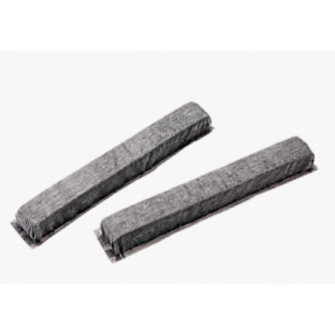
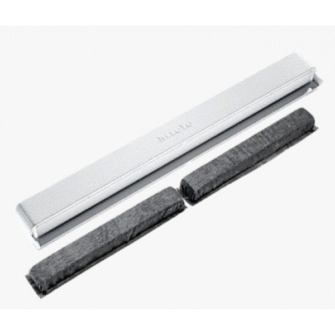
Selected wine coolers use low-vibration compressors, cushioned shelving or other measures designed to reduce disturbance to stored bottles. Some also use activated-charcoal filters to help manage air quality inside the cabinet.
These are model-specific features rather than universal requirements, so compare the individual appliance specification rather than assuming they are included across an entire brand.
Humidity Control
Some wine cabinets actively monitor or manage humidity, while others rely on the cabinet's cooling design to maintain suitable storage conditions. Do not assume that every wine fridge provides adjustable humidity control.
For example, selected Miele built-under wine conditioning units use ActiveHumidity, while other models focus on temperature stability, airflow and filtration instead. Features vary by range.
Noise Level
Wine coolers are often installed in kitchens, dining rooms or entertaining areas, so noise can be more noticeable than with appliances in utility spaces. Compare the manufacturer's stated airborne noise emission in dB when choosing between similar models.
Energy Rating
Compare the current A–G energy class and annual electricity consumption between wine coolers of a similar size and capacity. A tall cabinet with several temperature zones will naturally have different energy requirements from a compact under-counter model.
Wine Fridge Installation Formats
| Format | Typical installation | Key checks |
|---|---|---|
| Under counter | Beneath a kitchen worktop | Niche height, width, ventilation and door clearance |
| Compact built-in | Installed within an appliance column | Niche height, ventilation and surrounding cabinetry |
| Tall built-in | Full-height cabinetry | Niche dimensions, furniture panels and hinge requirements |
| Freestanding | Independent installation | Ventilation, ambient temperature and door clearance |
Frequently Asked Questions
What is the difference between a wine fridge and a wine cooler?
The terms are commonly used interchangeably for appliances designed specifically for wine storage or serving. Manufacturers may also use terms such as wine cabinet, wine cellar or wine conditioning unit.
Is a dual-zone wine cooler better than a single-zone model?
It depends on your collection. A single zone is sufficient when bottles need similar conditions, while dual-zone models allow two sections to be set independently for different wines or uses.
Can a wine fridge be built into kitchen cabinetry?
Yes, provided the model is specifically designed for built-in installation. Check the required cabinet dimensions and ventilation because a freestanding wine fridge should not automatically be enclosed inside cabinetry.
How many bottles will a wine fridge actually hold?
Published capacities are usually based on standard 750 ml Bordeaux-style bottles. Larger or wider bottles can reduce the practical capacity, so check the shelf layout if you store mixed bottle shapes.
Do wine fridges control humidity?
Some models offer active humidity management or monitoring, while others do not. Check the individual product specification rather than assuming humidity control is standard.
Are under counter wine coolers different from compact built-in wine coolers?
Yes. Under-counter models are designed to fit beneath a worktop, normally in a floor-level cabinet opening. Compact built-in models can be designed for installation higher within an appliance column and may use substantially different niche dimensions.
Related Cooling Categories









Fridge freezers provide the perfect combination of refrigeration and freezing in a single unit, making them the ultimate food storage solution. Our selection of refrigerators are available in various styles and sizes, they offer versatile storage to suit any kitchen. Energy-efficient models ensure your food stays fresh while reducing utility costs. Explore our selection for the ideal blend of style, convenience, and performance.

An American Style Fridge and Freezer provides ample storage with side-by-side or French door designs, ideal for large families. These refrigerators blend contemporary style with features like adjustable shelves, ice makers, and water dispensers. They operate efficiently, keeping groceries fresh while adding a stylish touch to your kitchen.

Freezers are vital for food preservation, available in Upright Freezers and chest models to suit any space. They offer dependable long-term storage, keeping your groceries fresh and organized. With energy-efficient designs and various capacities, our range of freezers caters to diverse needs, making food storage both convenient and efficient.